
A short environmental claim on an equipment bottle can compress a much narrower piece of research. October 17, 2026 coverage revisited GEAR AID’s coral testing programme. The useful next step is to read what was tested, rather than treating the article’s publication date as the date of a new experiment.
Start with the original report
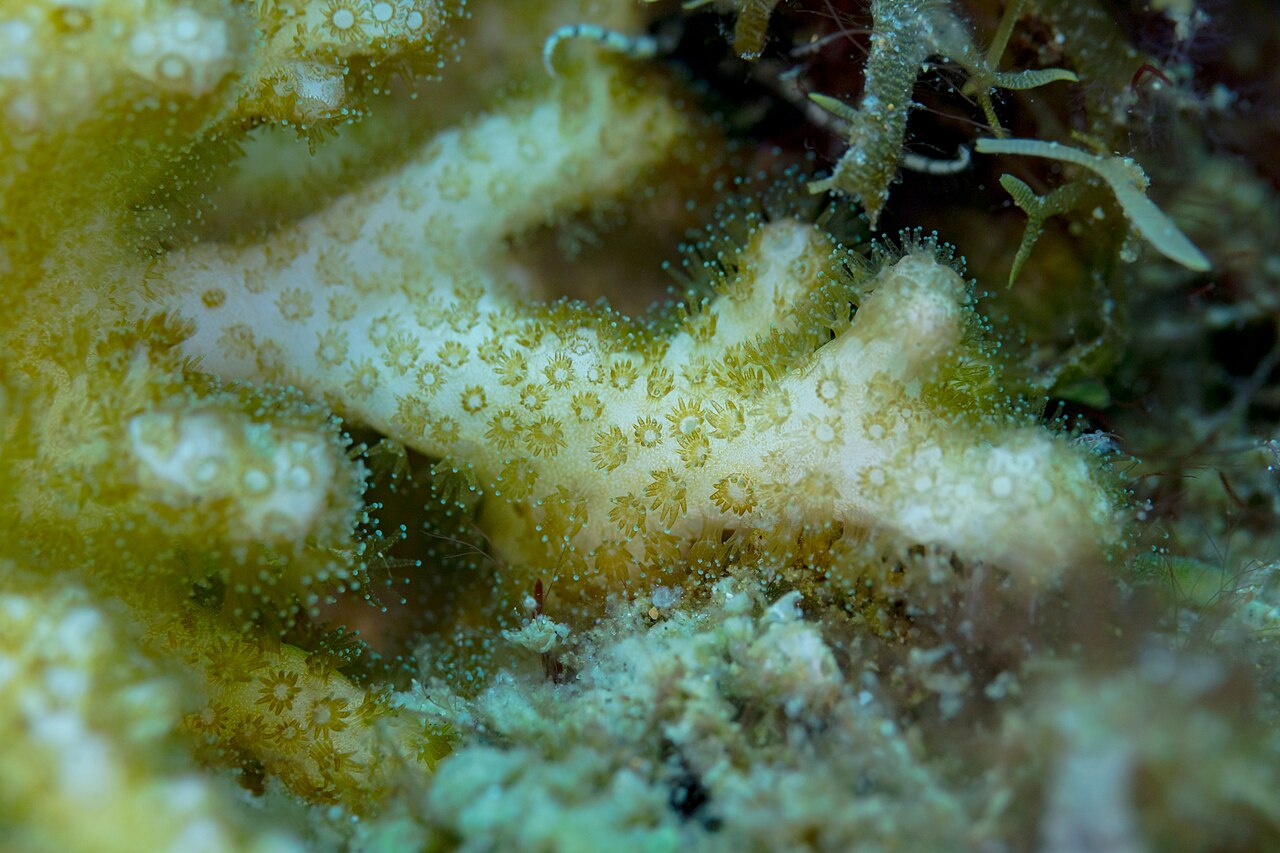
The original ReefTox reports record tests conducted on March 16, 2026, with reports generated April 5. They cover Sea Drops, Sea Gold and NeoSlix using the coral species Montipora digitata over a 96-hour exposure.
The stated concentrations are 1 mg/L for Sea Drops and Sea Gold, and 50 mg/L for NeoSlix. Under those test conditions, the reports record no observed bleaching, tissue loss, mortality or behavioural abnormalities. Those are findings within the reported experiment, rather than measurements made by TRIMIX.
Each part of that description matters. The named formula identifies what went into the test. The concentration defines the exposure. The species identifies the organism observed. The time window tells you how long the observation continued. Removing those details changes the meaning of the result.
Read the brand’s explanation alongside the data
GEAR AID’s explanation, updated August 24 describes the reasoning behind the programme and links to the testing evidence. It is the manufacturer’s account, while the linked reports supply the individual test methods and observations. Read them together when evaluating a claim about one of these products.
A result for one species over four days does not establish how every coral species, reef community or longer exposure would respond. Nor does it automatically apply to another bottle with a similar name. These are questions about the reach of the evidence, rather than reasons to ignore the experiment.
Turn an environmental claim into checkable questions
When comparing mask treatments or other gear-care products, ask for the tested product name and the underlying report. Check whether the claim refers to a specific formulation and whether the package you are considering can be matched to it. If that match is unclear, ask the manufacturer to explain it.
Then keep the reported result separate from your intended use. The fact that an ingredient or product was studied does not establish that an untested amount, application or disposal method has the same outcome. Follow the actual product directions and any instructions set by the place you visit.
Our snorkeling mask checklist starts with selecting equipment that fits. Product-care choices deserve the same attention to the specific item and its documentation. A useful environmental comparison preserves the study’s boundaries as carefully as its favourable findings.
Dates and scope: Tests: March 16; reports: April 5; manufacturer explanation: first published August 12, updated August 24; renewed coverage: October 17, 2026. All sources checked October 24. This is analysis of existing evidence, not newly completed testing or a blanket reef-safety certification.
Join the discussion
Share a question or a useful experience about this article. Every comment is reviewed before it appears.