
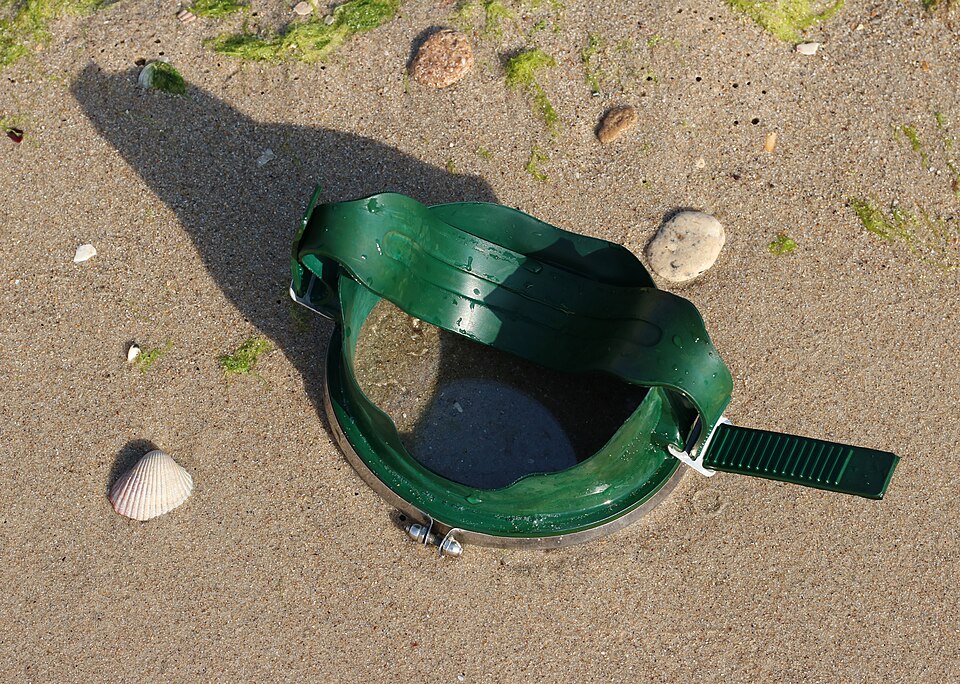
A mask listing may describe low volume and then present several different measurements. Internal volume, outer frame dimensions, fitting dimensions and weight describe separate properties. Putting them in one comparison column can make a smaller-looking mask appear to have a specification the maker never supplied.
Use the labelled quantities
TUSA’s Freedom Ceos M212 page lists internal volume as 180 cc, frame dimensions as 72 × 157 mm, fitting dimensions as 113 × 130 mm and weight as 184 g. TUSA’s Latin America Zensee Pro M1010S page separately lists 215 cc, frame dimensions of 91 × 166 mm, fitting dimensions of 113.5 × 133 mm and 214 g. These are maker-published figures for named regional listings, not measurements made by TRIMIX.
The useful comparison is 180 cc against 215 cc, frame against frame, and fitting dimensions against fitting dimensions. Do not multiply two frame measurements and call the result internal volume: two lengths do not supply the missing depth or the geometry inside the skirt.
Build a four-column specification record
Create columns headed model and region, quantity, unit, and source. Enter the product code beside each row. If another listing says only low volume, record that description and leave the numeric cell blank. Ask whether a number is available and how the manufacturer defines it rather than estimating from the product photograph.
Keep conversions secondary to the original values. When a maker supplies both cubic inches and cubic centimetres, retain the published pair; small rounding differences are not evidence of a changed model. A changed product code or revision requires a fresh check of all rows.
Keep the purchase decision broader than one number
The smaller published capacity does not establish better comfort, visibility or performance for your face. Nor does it convert an ordinary surface-snorkeling purchase into approval for a particular diving activity. Assess the exact mask through its documented fitting process and obtain appropriate instruction for your intended activity. This article provides no mask-volume measurement experiment or clearing technique.
For TRIMIX K1 mask documentation, ask which dimensions and volume information are actually available. Specify the field you need instead of requesting a generic small mask. The TUSA figures do not describe K1, and neither its silhouette nor an inquiry establishes an equivalent volume. Retain confirmed specifications with the quote so a later model substitution can be detected.
Evidence note: Evergreen buying guide checked October 30, 2026. Both primary pages are undated. Manufacturer descriptions are not independent performance tests; no TRIMIX stock, universal fit or compatibility is established.
Join the discussion
Share a question or a useful experience about this article. Every comment is reviewed before it appears.