
When an underwater camera sees a fish pass through a reef channel, the clip establishes an observation. The sampling record establishes where, when and under what conditions the observation was made. A study published on November 5, 2026, shows how those two things came together at three reef passages off Ovalau, Fiji.
Putting the camera in the part of the passage being studied
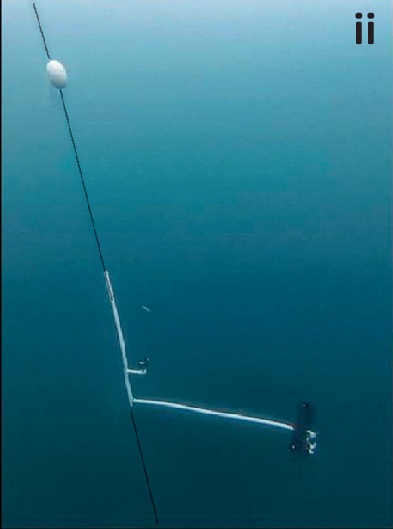
In the original Cambridge Prisms case study, the researchers describe a suspended baited remote underwater video system, known as a BRUV. They mounted a housed action camera on a frame and adjusted where the frame sat in the water column. That let the team sample both midwater and habitat closer to the reef slope. The camera angle and depth were part of the scientific method. A shot from the middle of a passage and one from its edge represent different parts of the habitat.
The authors report that 31 of 36 deployments produced footage from which marine life could be identified. They recorded 60 species across the three sites. A single observer reviewed the videos manually. Water clarity sometimes limited the level of identification, and some recordings ended early because of equipment problems. Those details matter when someone compares the numbers with a different survey.
What a count from one camera measures
One measure in the paper, MaxN, looks for the largest number of animals of a given species visible together in a frame or brief video segment. Imagine two fish passing a camera in the morning and two similar fish appearing later in the same clip. Counting four as different individuals would assume the camera could tell them apart. Counting the largest group seen together answers a narrower question. The recorded measure is specific to the video and its conditions. It cannot establish the total number of fish living in a passage.
The authors describe the work as a feasibility study and did not run statistical comparisons to rank the passages. Differences in sampling effort and the possible overlap of bait plumes are among the reasons to keep the deployment details with the result. The researchers’ March 2026 field report and data tables also distinguish what fishers recalled seeing over time from what a camera detected on a particular visit. Both accounts help explain the site, and each has its own observation window.
How to read the next underwater survey
Check the site and depth, whether bait was used, how long the camera recorded and what the count represents. Then check how the researchers dealt with unclear footage and incomplete recordings. These details let dive-club readers, underwater photographers and volunteer survey groups compare observations without treating a striking video clip as a full inventory. The Fiji study used a research rig and local permissions. Its results concern those deployments.
The SOCPacific2R project’s Ovalau video is linked from the field report and provides a direct look at the project footage.
Evidence dates. Ovalau fieldwork took place in November and December 2025. The field report is dated March 6, 2026. The journal paper was published online November 5, 2026. Sources checked November 7, 2026. By TRIMIX Sports.
Join the discussion
Share a question or a useful experience about this article. Every comment is reviewed before it appears.