
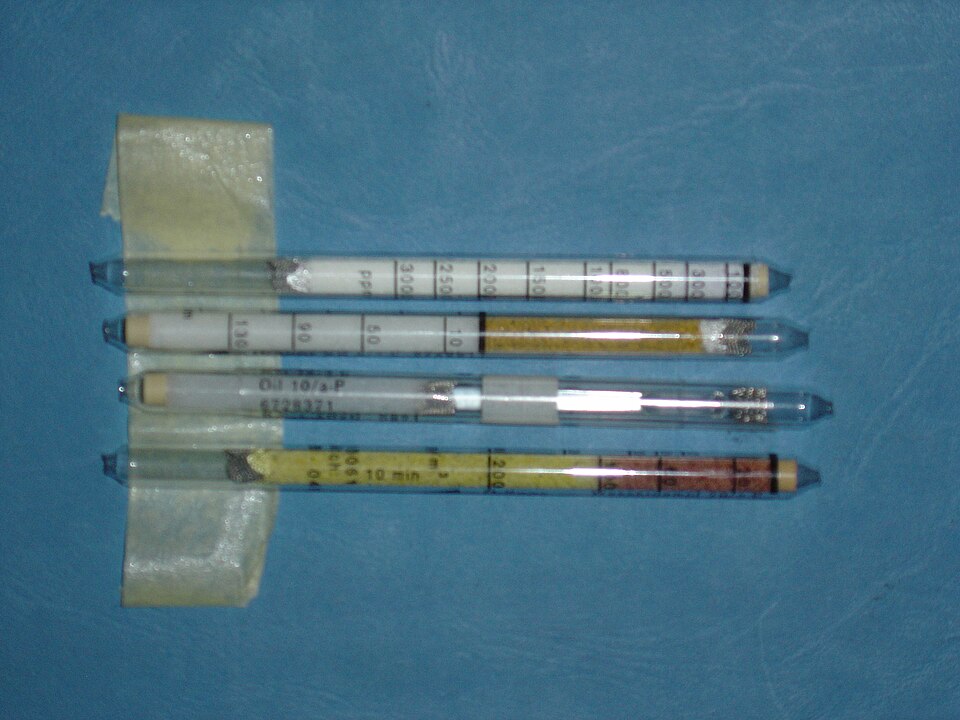
Identify the named air-quality criterion and edition before comparing pass statements on two reports. CGA Grade E and EN 12021 should not be treated as interchangeable labels. Ask your qualified provider which requirements apply to the intended gas service and location, then have the laboratory identify what its actual result addresses.
Read the reference behind the conclusion
DAN’s Oil and Particulates article explicitly compares limits in the editions it cites: CGA G-7.1-2018 for Grade E and EN 12021-2014. Its comparison shows that these named criteria have differences. This guide does not reproduce the limits, select an allowable exposure or treat that 2020 article as a current legal rule for every country.
For a purchase decision, ask the provider to write the full reference, including the edition or revision used. If a report lists several criteria, ask which measurements and conclusions correspond to each. A phrase such as breathing air approved leaves the reference unresolved. Neither a familiar abbreviation nor a checkmark tells you which particular assessment was performed.
Order the appropriate assessment before comparing prices
Nuvair’s current air and gas testing offer requires a choice of test kit and assessment standard, including separate Grade D and Grade E options. It provides a practical example of why a customer must identify the assessment being commissioned. Its service description is not a result for your equipment or an independent statement of what your jurisdiction requires.
| Field | Buying question |
|---|---|
| Reference | What full standard, grade and edition are named? |
| Intended service | Does the requested assessment address the gas and application being evaluated? |
| Result | Which actual measurements support the reported conclusion, with what units and qualifications? |
| Assessment responsibility | Who determines whether the result meets the requirements for the proposed arrangement? |
If the references differ, have the qualified parties explain the difference before treating the lower-priced test or older report as equivalent. The laboratory’s accredited scope, the sample’s identity and its collection date remain separate pieces of evidence. Matching a criterion alone does not settle those other questions or approve an entire filling system.
Keep the equipment claim separate
When considering the TRIMIX CS4, request the current equipment documentation your qualified provider requires. Ask what evidence, if any, accompanies the actual offered configuration. This article certifies no TRIMIX output and gives no sampling, filling or contaminant-limit operating instructions.
Evergreen report-reading guide checked November 26, 2026. DAN’s article is in its Q3/Q4 2020 issue; page publication metadata is August 2, 2020. It names specific older editions. Nuvair’s service page and the merchant listing are undated for this review. Applicable criteria and current requirements must be confirmed for the actual use and location.
Join the discussion
Share a question or a useful experience about this article. Every comment is reviewed before it appears.