
Ocean Detect is an AI-assisted underwater-video annotation platform described in a November 24 University of Rhode Island report. Its development story includes marine-science students creating labels, models making an initial pass and ongoing work on human verification. That workflow is more informative than assuming that an AI-labelled image is automatically a confirmed species record.
Separate the recent report from the award date
URI reports that doctoral student Christine de Silva received the Guy Harvey Foundation Collegiate Award for Ocean Detect. The organiser’s 2026 winners page identifies the project and states that the awards were announced on October 27 in Fort Lauderdale. November 24 is the date of URI’s report, not evidence that the award happened that day or that the platform launched publicly then.
An award recognises a project under the organiser’s process. It does not supply a model’s error rate or establish which outside users can currently access a service. Keep those questions separate when following a research platform’s progress.
There are people on both sides of the model
The university describes the work of creating labelled marine-life images for training and building a platform that can run existing models over images before a person reviews them. It also says the team is working on a quicker way for people to verify results and correct incorrect annotations. That last step is development work described in the report, not a completed public-service promise.
| Stage | What the reader should identify |
|---|---|
| Training labels | Who identified the objects used to teach the model? |
| Model first pass | Which part of the annotation task is being assisted? |
| Verification | How are uncertain or incorrect results reviewed and recorded? |
For anyone producing underwater video, this distinction helps clarify the result being discussed. An outlined object, a species identification and a checked data record are different outputs. A report about faster annotation should be read alongside information about the footage, task and checking process before its performance is extended to other cameras, locations or species.
Follow the next development evidence
The useful next questions are whether access is offered to outside users, which tasks are supported and what validation accompanies the relevant version. URI describes public accessibility as an aim and discusses potential applications conditionally. This article does not present Ocean Detect as an available TRIMIX feature, a released consumer product or a replacement for qualified species identification.
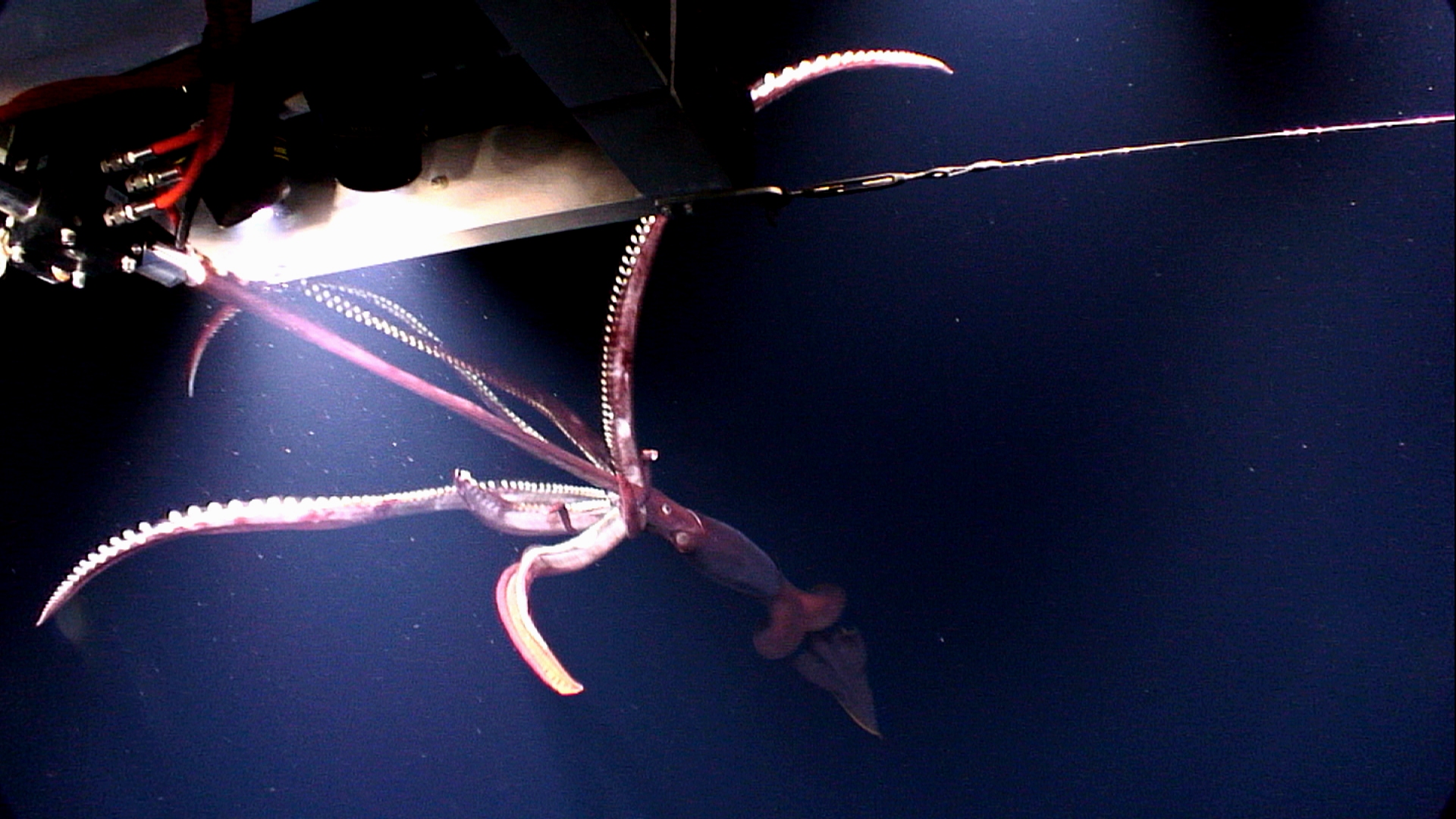
Checked November 28, 2026. URI’s report is published and updated November 24. Ocean Exchange identifies an October 27 award announcement; its event page has August 3, 2022 publication metadata and November 12, 2026 revision metadata. These dates describe different records. The historical contextual photograph is not Ocean Detect footage, training data or an AI identification result.
Join the discussion
Share a question or a useful experience about this article. Every comment is reviewed before it appears.