
A resident subsea robot is part of an operating service, rather than a vehicle expected to work indefinitely by itself. Saipem’s November 24 announcement says Equinor has extended its Njord-field inspection and intervention services through the end of 2034. The report is useful because it describes the support around Hydrone-R, including people, communications and other subsea equipment.
Residence describes the operating arrangement
The new announcement places the robot at the Njord field offshore Norway and describes work-class ROV support alongside the resident drone. Saipem says its Stavanger control centre oversees operations through a link to the offshore platform. It distinguishes remotely controlled work from autonomous missions and describes subsea docking for recharging.
Those elements belong together. A vehicle staying below the surface does not mean that every task is autonomous or that all support disappears. In this account, residence changes how the service is organised; it does not eliminate its operators or infrastructure.
The current announcement has an older foundation
Equinor’s original October 2, 2019 contract announcement described a wireless underwater intervention drone together with an ROV. It provides primary historical context for the service architecture. It is not a second, current confirmation of the November 2026 extension, which is reported here from Saipem’s new release.
That distinction makes the timeline easier to assess. A service contract can continue an existing deployment without announcing a newly invented vehicle. A later operational update may add experience, while the original award explains what the parties initially contracted to develop and provide.
Compare the service boundary, not only the robot
For readers following marine technology, a useful comparison separates the machine from the arrangement that keeps it available. Ask what is supplied locally and what relies on a larger installation. This reading framework is not a specification for designing or operating a subsea system.
| Part of the service | Question for a project comparison |
|---|---|
| Task allocation | Which jobs belong to the resident vehicle and which to supporting equipment? |
| People and decisions | What is remotely operated, autonomous or subject to human oversight? |
| Communications and energy | Which links and docking facilities does the account identify? |
| Evidence and scope | Is a statement a supplier report, a contract commitment or an independently reproduced result? |
Keep each answer attached to its source and date. A demonstrated task at one industrial installation does not supply an operating specification for another setting. Neither source establishes a recreational product, a diver safety substitute or compatibility with TRIMIX cylinders or compressors.
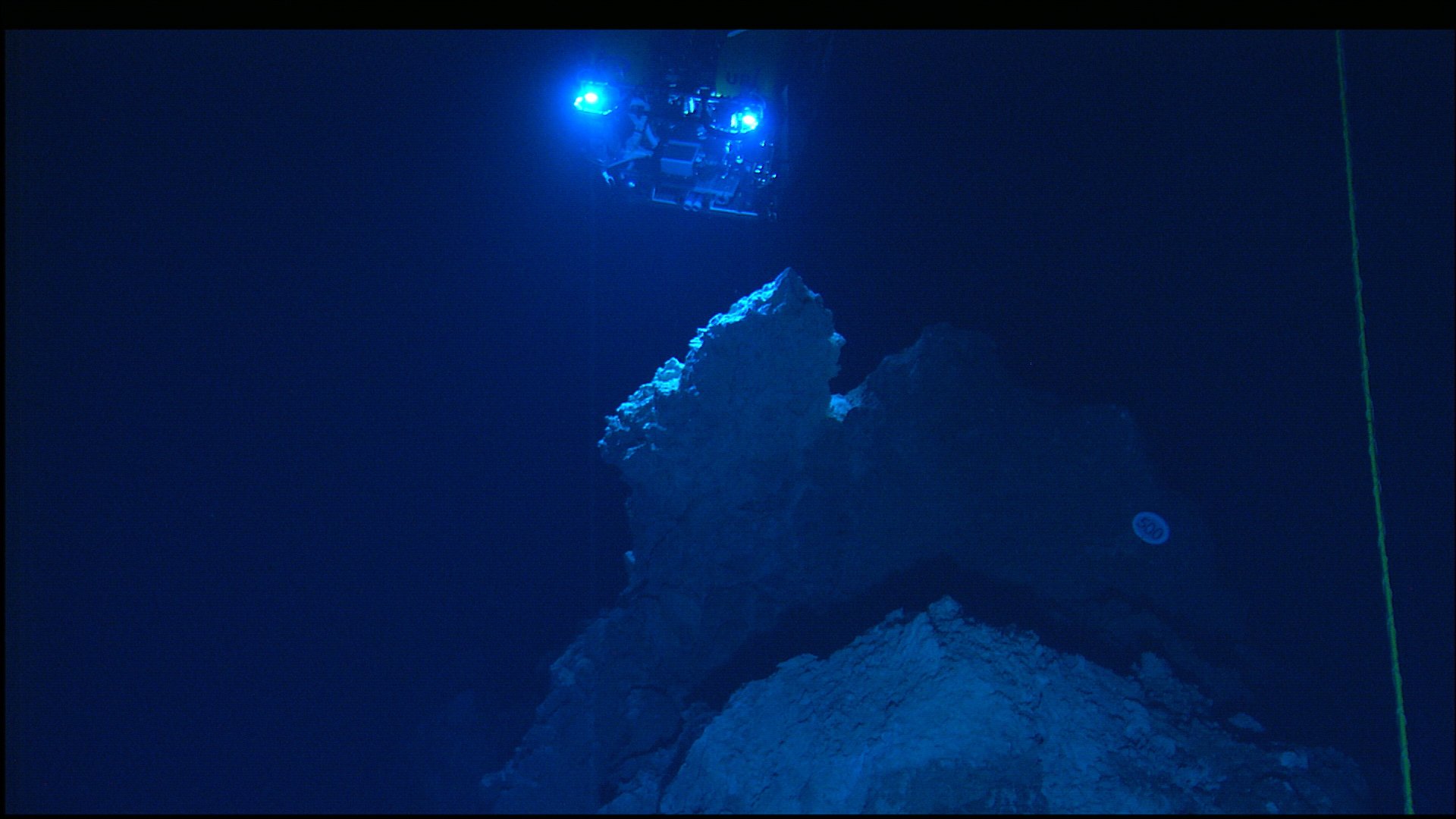
Checked November 28, 2026. Saipem’s extension announcement is dated November 24; its operating statements are company reports. Equinor’s historical contract page was published October 2, 2019 and last modified December 22, 2020. The contextual photograph shows another historical ROV, not Hydrone-R or the Njord service.
Join the discussion
Share a question or a useful experience about this article. Every comment is reviewed before it appears.