
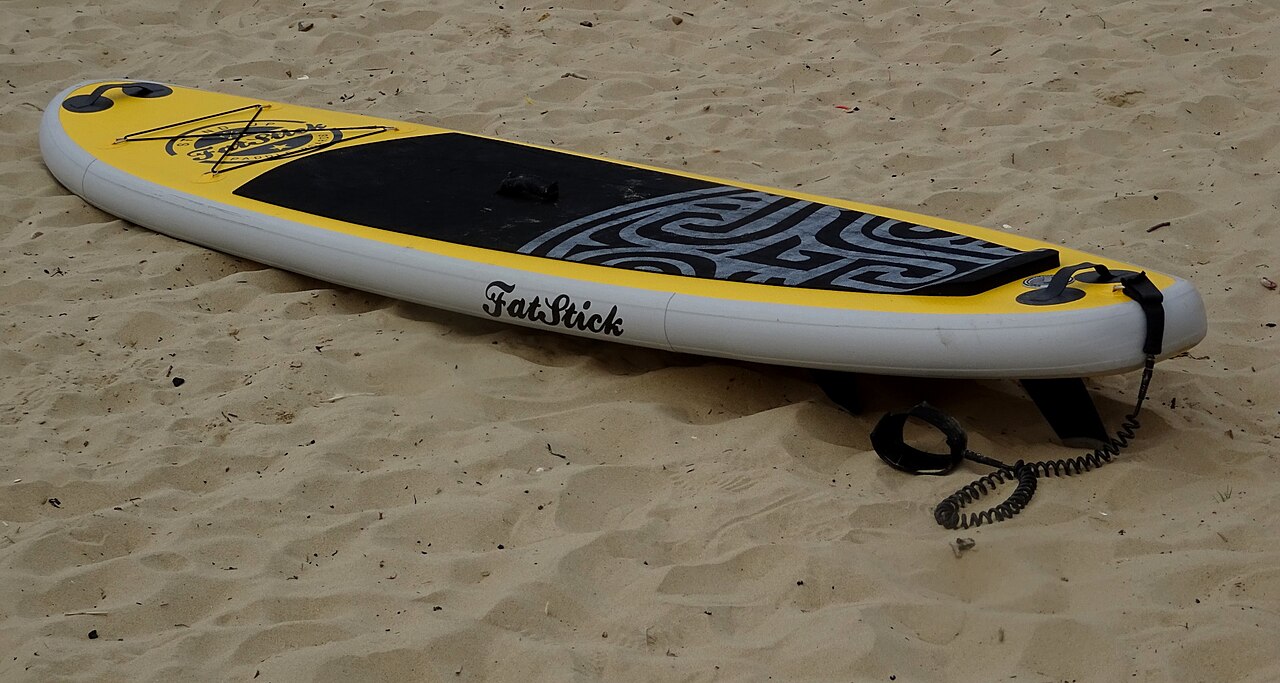
“Will it fit?” is only the first question when adding a motor to a paddleboard. The next is how the board will be steered after the motor is fitted. Bixpy’s October 13, 2026 discussion of mounting position makes this distinction particularly clear.
The adapter chooses more than an attachment point
Bixpy describes three different arrangements for its K-1: a steering transom mount, a kayak installation that turns with a rudder, and a paddleboard installation in the fin box. In the SUP example, the motor replaces the center fin and has its own tracking fin. These are the manufacturer’s descriptions of its system, not results from a TRIMIX comparison test.
A motor that turns with a steering control and a motor fixed along a board’s centerline do not present the rider with the same control arrangement. That is why a kayak owner’s positive experience may answer a different question from the one a standing paddleboard rider needs to ask.
Compare the entire layout
The article also identifies a permanently attached 55-inch K-1 cable, connecting the motor and power pack. This is a model-specific dimension. It creates a practical layout question: where can the power pack sit within the permitted installation, alongside the other things already carried on the craft?
Before comparing advertised thrust figures, make a simple sketch of the actual craft. Mark the motor, power pack, existing steering controls and usual cargo. Use it as a conversation aid with the manufacturer or qualified installer. A neat online product photograph may show only the motor, while the useful answer depends on all those parts together.
Also distinguish a product family from an exact mounting configuration. Bixpy’s SUP Adapter Bundle page lists adapters for different fin-box systems. Its existence does not establish that any particular board, installation or loading arrangement has been approved. Check the current instructions for the actual components.
A better way to compare two recommendations
When someone recommends a motor, ask what craft they used, where the motor was mounted and how they steered it. Those three details make the recommendation much more useful than a claim that a unit felt powerful. They also help explain why two owners can honestly report different experiences without either report being wrong.
For the earlier physical-compatibility stage, use our SUP thruster compatibility checklist. This article addresses the separate handling and layout questions that follow it; it does not provide installation instructions or certify a combination.
Dates and scope: Manufacturer discussion published October 13, 2026; sources checked October 23, 2026. This past-month selection is not a newly announced motor or a hands-on handling test.
Join the discussion
Share a question or a useful experience about this article. Every comment is reviewed before it appears.