
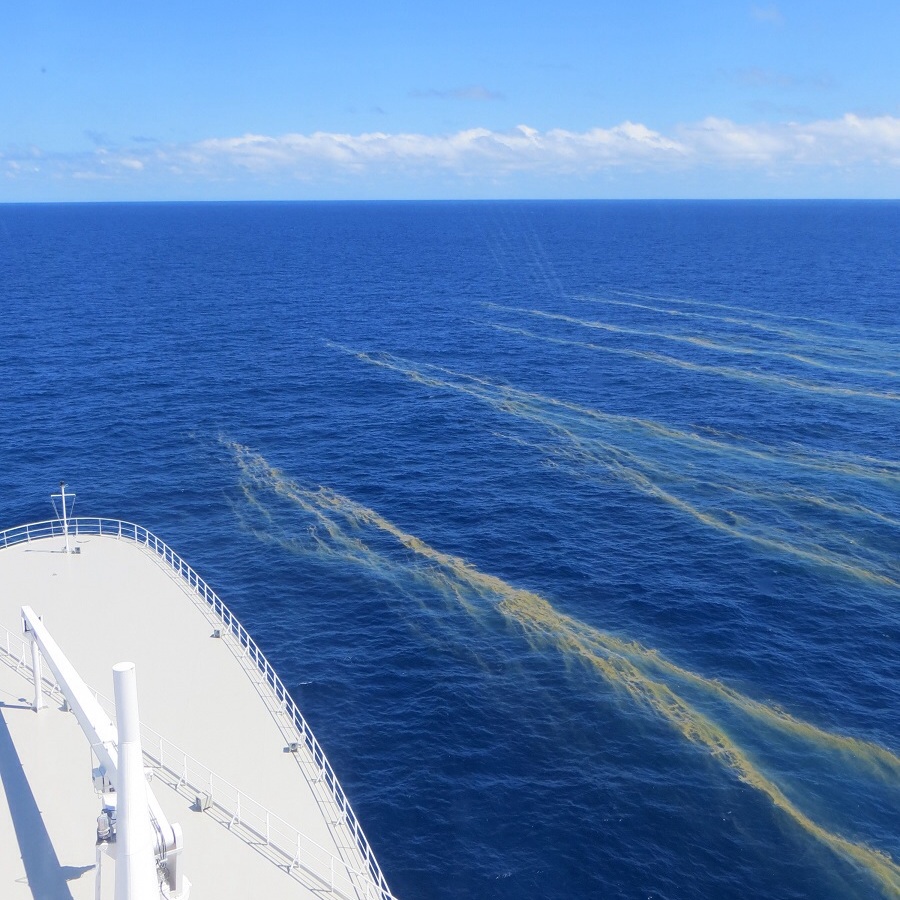
A surface slick can be difficult to interpret from a photograph. In an explanation published October 13, 2026 and updated October 14, the Great Barrier Reef Marine Park Authority describes seasonal Trichodesmium blooms along parts of Queensland’s coast. Its account combines an ecological explanation with practical advice about contact.
A natural process with an important qualification
The Reef Authority’s official explanation says these cyanobacterial blooms commonly appear between August and October and had been observed in places including waters around Magnetic Island. It describes their role in making nitrogen available within the reef food web and notes that brown, pink, or reddish slicks can be mistaken for other material.
The same explanation advises avoiding direct contact because irritation can occur, and notes that large accumulations breaking down in sheltered bays can reduce oxygen in the water. Describing a bloom as natural is therefore not an instruction to enter it or an assurance that contact is suitable.
What this October article does not announce
The source is a seasonal explanation issued earlier this month. It is not a new October 24 closure order, a live map of every affected location, or a statement that a particular tour must proceed or cancel. We have not independently sampled a slick or identified an organism from a visitor’s photograph.
This is also a different development from the NOAA response-program funding milestone discussed earlier on our blog. One explains a particular marine process in Queensland; the other describes support for investigations across the United States. Combining them into a single warning would lose the geographic and factual distinction.
Match the question to the information source
If your question is what the Reef Authority explained about Trichodesmium, read the linked account. If your question is whether today’s activity can proceed at a particular beach, seek the current notice from the site manager or relevant local authority. The first resource provides background; the second addresses an operational decision.
When checking a notice, note its date, named location, issuer, and activity covered. Keep a factual description separate from a restriction. A tour operator can explain its arrangements, while an official notice establishes what the authority actually announced.
A useful habit for snorkeling trip notes
Save a link to the current official information instead of relying solely on a screenshot or an undated social post. If an image is being circulated, ask when and where it was taken before assuming it shows the water you plan to visit. Historical photography can explain the appearance of a phenomenon without establishing its current extent.
Source checked October 24, 2026. This article does not identify current conditions from a photograph or provide an individual medical assessment.
Join the discussion
Share a question or a useful experience about this article. Every comment is reviewed before it appears.