
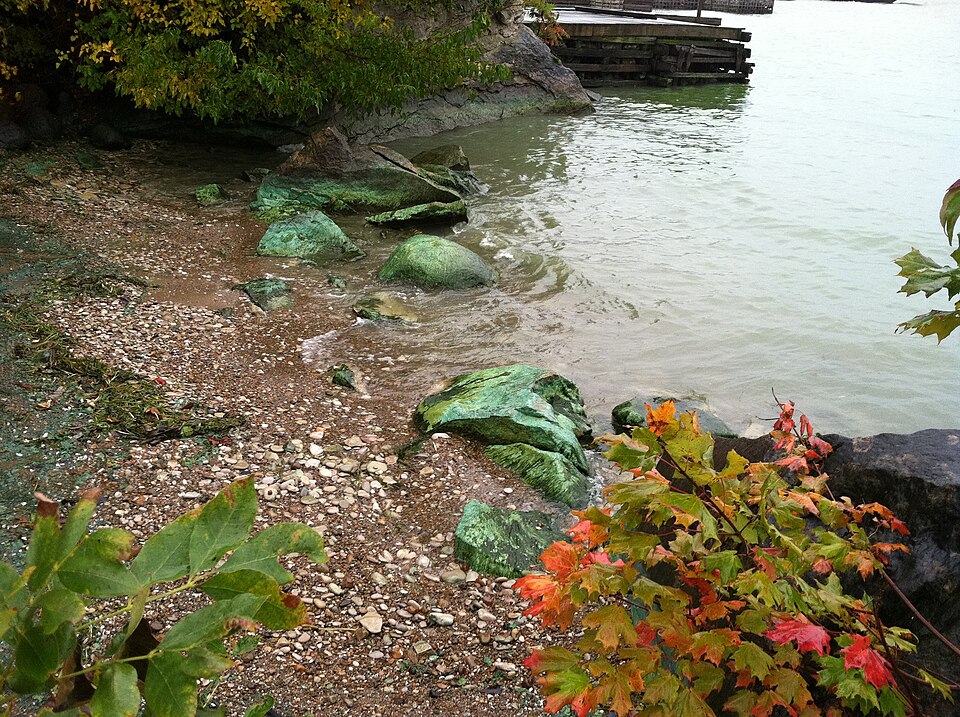
A NOAA announcement published October 21, 2026 highlights a milestone in support for harmful algal bloom investigations. For swimmers and snorkelers, its practical message is about where reliable information comes from. A national research update can explain the response system, while the decision about a particular beach still requires current local advice.
What the announcement says
NOAA’s Harmful Algal Bloom Event Response update reports that its program passed one million dollars in direct response support in 2026, with 80 response-related projects funded since its establishment in 2003. Support can include expertise, coordination, sampling supplies, and analysis. This helps explain the work behind identifying and investigating a bloom.
The milestone does not identify a new hazard at every coast or declare any swimming site safe. Nor is it a new nationwide ban on water sports. A funding announcement and an operational advisory answer different questions.
Why a familiar water color is not enough
NOAA’s harmful algal bloom overview explains that blooms occur in marine and fresh waters, involve different organisms, and can affect people and wildlife in different ways. It includes links and guidance for learning more about affected areas. This is general background, rather than a substitute for a local health department or site manager’s current notice.
For trip planning, a useful habit is to write down the exact place, the date of the notice, the activity it covers, and the authority that issued it. A shellfish harvesting restriction, for example, should not be casually rewritten as a swimming closure, or the other way around. Read what the notice actually says.
A practical information check before a session
Start with the official page for the beach, lake, park, or local public-health authority. Look for the latest advisory and any posted restrictions. Check again close to your planned visit, because a saved screenshot from booking day may no longer describe current conditions.
Then ask your operator or venue how it communicates changes. It is useful to know whether a cancellation, alternate location, or revised meeting point would be sent by email, displayed on a noticeboard, or announced at check-in. Those are planning questions you can settle before traveling.
If notices conflict or are unclear, resolve that uncertainty with the responsible authority before entering. Do not use this article, a reassuring photograph, or the appearance of your equipment as evidence that the water is suitable. Masks and snorkels do not turn an advisory into permission to swim.
Our mask fit guide covers equipment selection once the activity and venue are appropriate. Sources checked October 23, 2026. This article identifies information sources and does not provide individual medical advice or a live water-quality assessment.
Join the discussion
Share a question or a useful experience about this article. Every comment is reviewed before it appears.