
MBARI’s October 29 report describes an unusually warm signal in Monterey Bay alongside observations of warm-water animals. For readers interested in diving and snorkeling, the useful habit is to keep the measurement’s depth, location and date attached to its value. A scientific record is not automatically a description of the water at a chosen beach.
What the new report actually measures
In the original institutional report, MBARI identifies a temperature of 18.18 degrees Celsius at 60 metres on October 26, 2026, in its M1 mooring time series. The institute says this exceeds the previous high in that record from November 1997. The scope is this monitoring record, not every location or depth in Monterey Bay.
MBARI also describes recent observations of warm-water species by its scuba and remotely operated vehicle teams. It presents instruments already being deployed to investigate effects on deep communities. These are reported observations and ongoing research, rather than a completed account of the season’s ecological consequences.
Keep four fields beside a shared number
When saving a measurement, record where it was made, the depth, the observation date and the baseline being used for comparison. Then add the report’s publication date separately. Here, the October 26 observation and October 29 publication describe different moments; neither should silently become today’s reading.
If a social post drops one of those fields, return to the source before repeating the value. Ask whether a comparison concerns the same instrument, depth and period. An impressive historical comparison can be accurate within its record while remaining unsuitable as a forecast for a nearby entry point.
Read biological sightings in their fieldwork context
A research team’s observation identifies what it encountered during its work. It does not establish how frequently a recreational visitor will see the same animal or whether a destination now offers a reliable wildlife encounter. Keep that distinction when discussing a new species sighting with a guide or choosing an itinerary.
Likewise, leave future ecological effects as questions for the ongoing monitoring effort. Do not promote a developing climate signal into a guaranteed local outcome, an equipment recommendation or a reason to extend personal training limits.
Use a separate reference for the actual outing
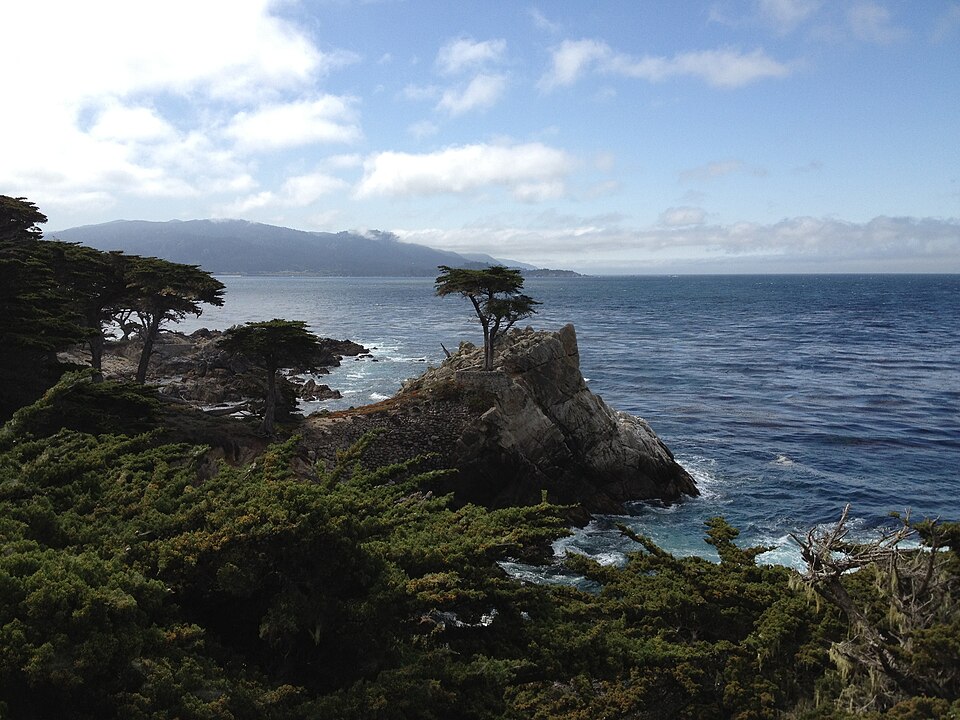
For a proposed visit, obtain current site-specific information and guidance from the relevant local operator or authority. This article supplies no conditions clearance or swimming advice. The 2013 NOAA photograph shows coastal scenery at Monterey Bay National Marine Sanctuary; it does not show MBARI’s 2026 instruments, measured animals, the October event or current water conditions. NOAA does not endorse this article or TRIMIX.
Sources and verification
Dated development: institutional report published October 29, 2026; highlighted temperature observation October 26, 2026; continuing ecological work is not a completed outcome. Verified October 30, 2026.
- MBARI researchers observe the arrival of El Niño in Monterey Bay. Publication date: 2026-10-29. Checked 2026-10-30.
Join the discussion
Share a question or a useful experience about this article. Every comment is reviewed before it appears.