
A cutting tool is more than its blade material. Its holder, retention mechanism and position on the equipment all belong in a buying discussion. ScubaLab’s September 28, 2026 evaluation of 11 tools provides a recent reason to look at those details together.
Read what a test actually measured
The testers describe separate assessments of cutting ability, ergonomics, durability and corrosion resistance. Their ergonomic checks include removing and replacing a tool with and without gloves, along with the security of its holder or lock. Those are the magazine’s tests, not work performed by TRIMIX.
This distinction helps a reader interpret a good cutting score. A tool can perform well on a stated test material while still presenting a different question about how it fits an individual equipment arrangement. The test conditions and the user’s intended setup should both remain visible.
A compact line cutter illustrates a different design
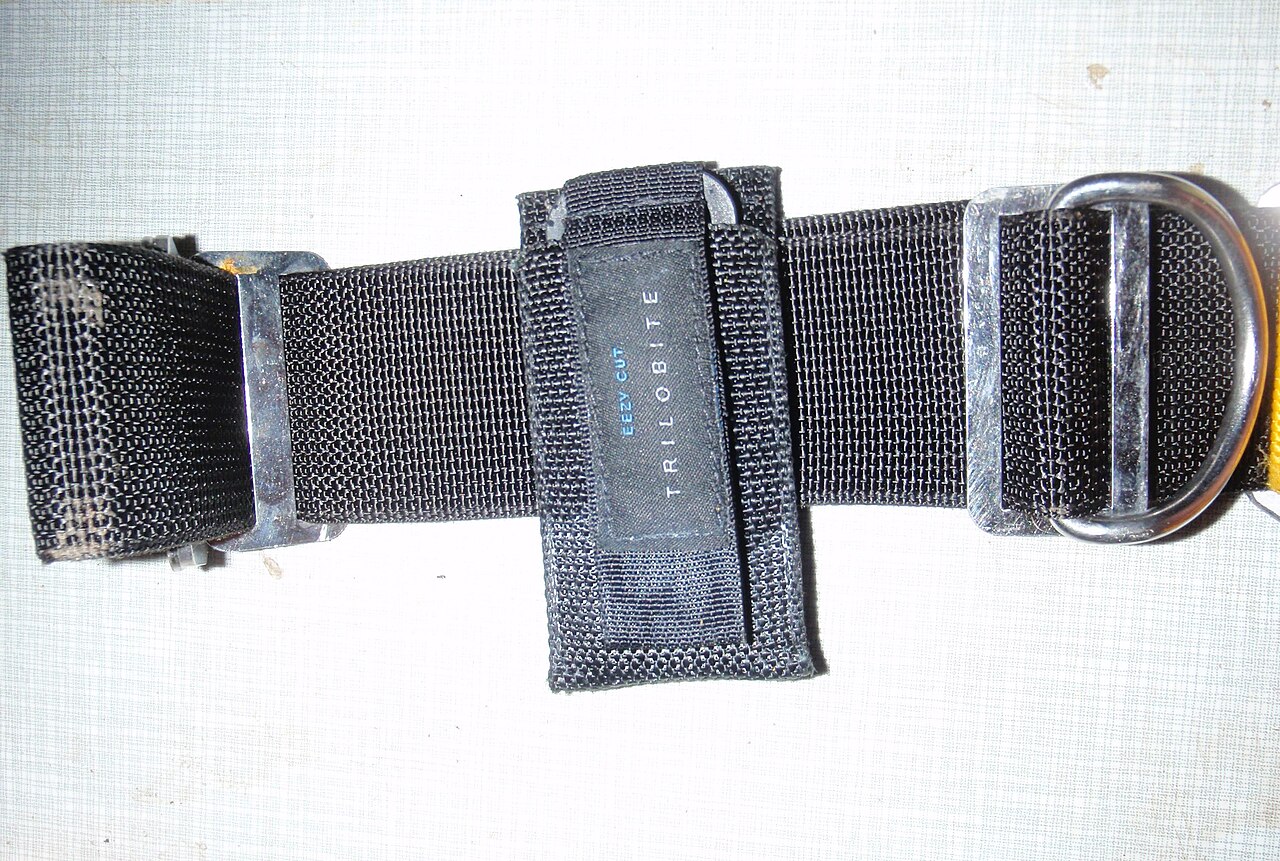
EEZYCUT’s manufacturer information describes the Trilobite as a double-sided cutter with replaceable blades and several carrying options, including harness and wrist placement. It also specifies its own replacement blades rather than treating similar-looking carpet blades as interchangeable.
This is a separate product example, not a claim that the Trilobite took part in the September test. It illustrates why “cutting tool” is a broad category: a protected cutter and an open blade have different shapes, holders and maintenance requirements. No single product example establishes which arrangement is appropriate for a particular diver.
Bring the holder into the comparison
When asking a dealer or instructor about a tool, include the sheath or pouch and the intended equipment arrangement. Ask about retention, access with the gloves you actually use, supported materials and replacement parts. Keep the exact model names in the inquiry so that advice about one version is not accidentally applied to another.
It is also useful to separate three stages in a product description: cutting a stated material under stated conditions, reaching the tool, and returning it securely to its holder. A short promotional clip may show only the first stage. Ask what evidence addresses the other two.
Any familiarization or equipment-layout assessment should follow appropriate instruction and the maker’s guidance. This article does not teach entanglement escape, suggest underwater cutting exercises or replace diver training. It is a way to read equipment evidence and prepare a more specific purchasing question.
For an inquiry about items in TRIMIX’s own catalog, use TRIMIX support and include the intended use and exact product. We have not performed blade, corrosion or access tests on the products discussed here.
Dates and scope: Independent tester’s report published September 28, 2026; manufacturer documentation undated. Both checked October 23. This is a past-month equipment discussion, not a new product announcement or a TRIMIX ranking.
Join the discussion
Share a question or a useful experience about this article. Every comment is reviewed before it appears.