
The journey to a cleaner snorkeling bay can begin well away from the beach. A recent PADI profile of Japan-based instructor and conservation organizer Yumi Shirai highlights the connection between inland waste and what divers eventually encounter underwater.
A recent recognition from PADI
In its October 11, 2026 profile, PADI names Shirai as an Ocean Torchbearer Award recipient. She is the founder and representative director of MORE Planning, a nonprofit based on the Izu Peninsula. Its name connects Mountain, Ocean, River and Earth. Her work combines community cleanups, environmental education and MORE SCHOOL. Read PADI’s profile of Yumi Shirai.
Shirai describes finding discarded farming tools underwater and tracing the problem back toward inland landscapes. In the profile, she stresses that underwater debris removal needs appropriate knowledge and training. Her wider message also leaves space for people whose contribution is observing, communicating or preventing waste rather than conducting a cleanup dive.
Marine debris is more than plastic bottles
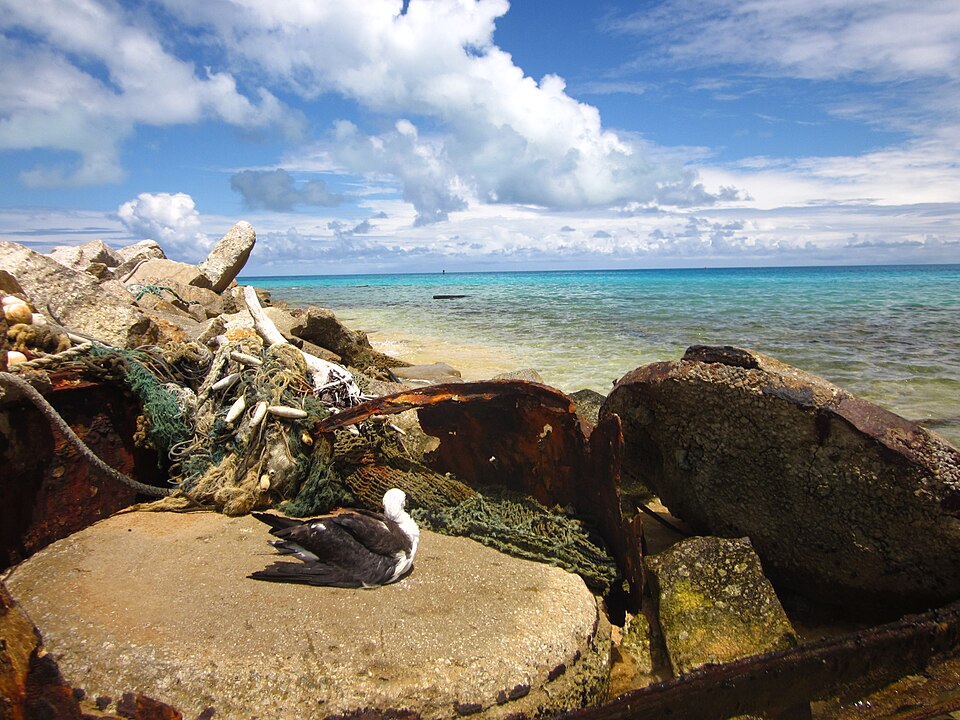
NOAA defines marine debris around persistent, human-made solid materials that enter marine environments or the Great Lakes, whether directly or indirectly. Its explainer includes plastics, metals, textiles, abandoned fishing gear and other objects. Prevention is an explicit part of the agency’s work alongside research and removal. Read NOAA’s marine-debris overview.
That broad definition helps explain why a conversation about the ocean also belongs in a town, beside a river or at the place where a trip’s supplies are packed. The same object can be a useful belonging, a lost item and eventually unwanted material in the water.
A practical routine for recreational visitors
Our editorial suggestion is to make a simple equipment-and-waste inventory for each outing. It need not be complicated, and it does not require joining an underwater cleanup.
- Before leaving: Count the small loose items you are taking: packaging, clips, lens accessories and snack containers. Decide how you will bring each one home.
- At the venue: Follow the operator’s storage arrangements. Ask where waste can be kept securely until it is disposed of properly.
- Before the return journey: Repeat the count. A missing item deserves attention even when it has no obvious financial value.
- After the outing: Note which disposable items could be avoided next time and which belongings were difficult to keep together.
A family or club can use the same list across several trips and refine it from experience. This turns a broad conservation intention into a repeatable habit. If you want to join a cleanup, start with the organizer’s requirements and a suitable supervised program; a blog article is not cleanup training.
For questions about materials or care instructions for a product already on this site, ask TRIMIX for the available product information.
Source dates: PADI profile, October 11, 2026; NOAA overview last updated May 15, 2025. Checked October 22, 2026. The outing inventory is an original editorial suggestion. No firsthand cleanup, product test or claim of affiliation with these organizations.
Join the discussion
Share a question or a useful experience about this article. Every comment is reviewed before it appears.