
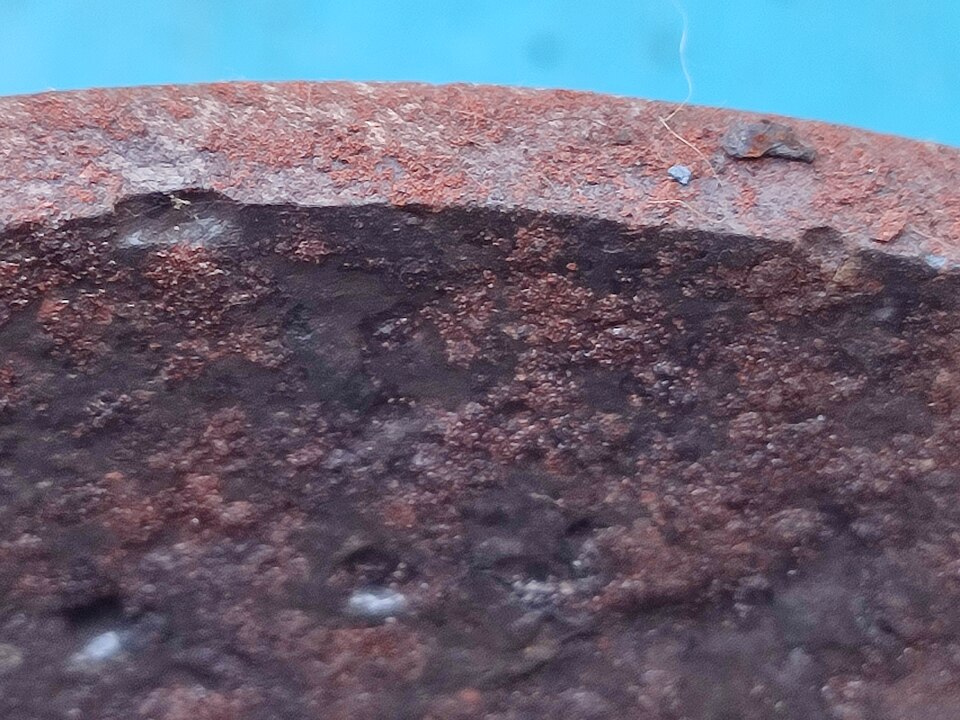
If a mini scuba cylinder takes a hard knock and you suspect damage, keep it out of use while you arrange a qualified assessment. A recent inspection sticker tells you what was checked before the incident. The service provider will need enough detail to assess what might have changed and advise what happens to the complete assembly next.
Tell the inspector what happened
Divers Alert Network’s cylinder inspection guidance advises prompt assessment by a trained and certified inspector when a diver has reason to doubt a cylinder’s integrity. Its examples include a valve leak, deformation and mechanical damage. A knock near the neck or valve is worth describing even when a photo does not show an obvious mark. Let the inspector decide what examination is needed.
Write down the date, what the cylinder hit, which part appears to have taken the impact and what you observed afterward. Include readable markings and the most recent inspection records if available. Report any suspected leak to the service provider before moving the equipment and ask for handling guidance. Avoid trying a refill or opening the assembly to find out whether it still works.
Ask about the vessel and the attached assembly
For the TRIMIX T-500, the manufacturer’s model manual treats the cylinder valve and high-pressure cylinder as separate assemblies. Its maintenance section identifies dents and cracks among the conditions to look for during professional inspection, and its precautions warn against unauthorized disassembly. Ask the service provider whether their assessment will cover the vessel, the attached breathing valve, or both.
That scope matters if the next recommendation is replacement. A quote should identify the condemned or damaged component, if any, and state what must be assessed or verified on the rest of the setup. This is especially important where the impact location is uncertain or the person taking the initial call has only seen photos.
Prepare a request with enough detail for the next step
- State the exact model, markings and inspection history.
- Describe the incident, where contact occurred and any visible change or suspected leak.
- Ask which qualified service route applies, what they need to assess and how they want the unit handled.
The T-500 product inquiry prepares an email with the product context if you need to identify the assembly or ask for its service route. A photo or email can help someone triage the question. A qualified inspection supplies the assessment of the equipment.
Source dates: DAN, December 11, 2021; undated TRIMIX T-500 listing and model manual. Checked November 11, 2026.
Join the discussion
Share a question or a useful experience about this article. Every comment is reviewed before it appears.