
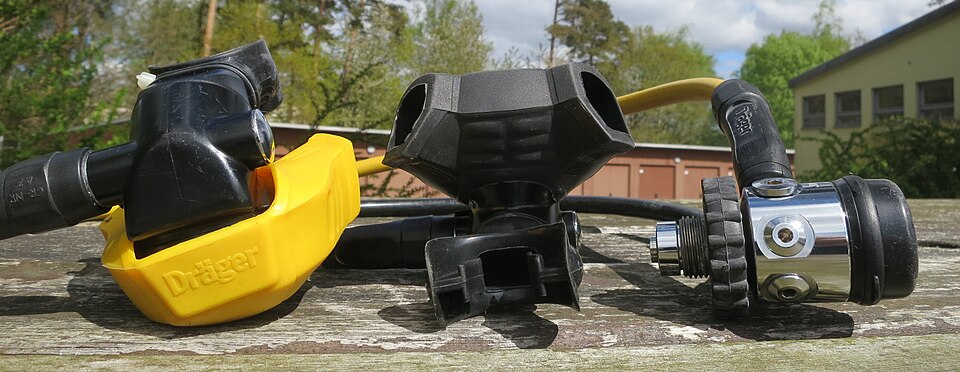
Before buying a mini scuba system for a cool lake or a winter trip, check the breathing equipment’s documented water-temperature limit. A thicker wetsuit can be part of a diver’s exposure-protection discussion, but it does not change the manufacturer’s operating conditions for the cylinder-and-breathing assembly. Treat those as separate purchasing questions.
Find the water-use condition in the actual manual
The T-500 manual, English precaution 7.04, specifies water above 10°C. That is the wording to take to the supplier and instructor when assessing this model. It is not a claim that every compact cylinder has the same limit, or that temperature alone establishes suitability.
Keep the water-use condition separate from the manual’s storage conditions. A product can have one specified environment while stored on land and another while operating in water. Likewise, a warm air forecast does not supply the water-temperature information needed for the equipment decision. Ask the activity provider about the expected conditions for the place and season you actually plan to visit.
Exposure clothing cannot change a breathing-system specification
BSAC’s January 23, 2019 cold-water guidance discusses suitable thermal protection and cold-water-rated regulators as separate equipment considerations. Its guidance is background about cold-water preparation; it does not approve a TRIMIX product or provide a way to extend the T-500’s documented range.
The buying implication is straightforward: record the exposure garment and the breathing assembly on different lines. A seller’s recommendation for a warmer suit cannot fill an unanswered question about the regulator. Do not transfer a cold-water description from a separate regulator, accessory or photograph to the assembled mini scuba product.
Make the proposed environment part of the inquiry
- Identify the exact assembled model and the supplied manual.
- Describe the expected water conditions and intended activity to the qualified provider.
- Ask whether the complete proposed equipment falls within its documented operating conditions.
- Resolve an absent or conflicting temperature specification before choosing that configuration.
This comparison is a reason to pause a mismatched purchase, rather than look for an improvised modification or an optimistic interpretation of the limit. A different equipment choice and appropriate training may be needed. This article gives no cold-water operating, adjustment or emergency procedure.
Use the actual T-500 listing to identify the product, then ask a T-500-specific documentation question. Include the intended destination and environment. The support entry prepares an inquiry; submitting, ordering and availability remain separate matters.
Evergreen documentation guide checked November 5, 2026. The TRIMIX manual is undated; its October upload path is not a publication date. BSAC’s source was published January 23, 2019. Neither current access nor this article represents a new product release. TRIMIX has not performed a cold-water or comparative equipment test for this guide.
Join the discussion
Share a question or a useful experience about this article. Every comment is reviewed before it appears.