
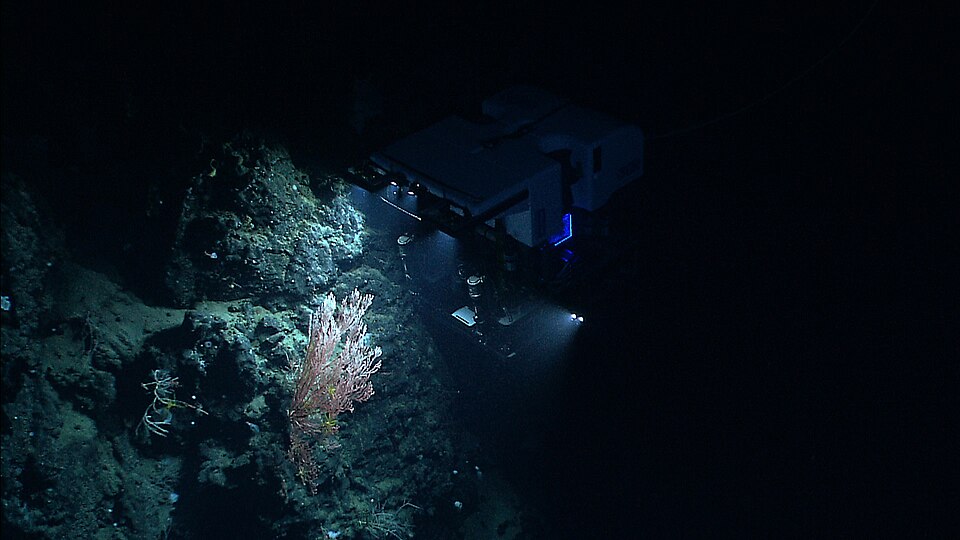
NOAA’s October 22, 2026 update concerns the long work of repairing seafloor habitats damaged by the 2010 Deepwater Horizon spill. It announces additional time and resources for restoration projects. It does not announce a newly opened recreational dive site or show that recovery is complete. For divers following coral conservation, that distinction is the most useful part of the news.
What was approved
The Open Ocean Trustees’ announcement describes five-year extensions and budget increases for active management and protection, mapping and habitat modeling, and coral propagation. Those decisions follow a separate March 2026 extension for habitat assessment and evaluation. The work includes gathering habitat information, developing and applying restoration methods, reducing threats, and checking results over time.
These are continuations of an existing restoration effort. Reading them as a new discovery, an immediate recovery result, or a general grant for all coral reefs would change the meaning of the announcement.
Why the deeper habitat matters
NOAA Fisheries’ project overview explains that mesophotic and deeper seafloor communities include corals and other animals that form habitat and connect with broader marine food webs. It also describes major knowledge gaps and the need to develop restoration techniques for difficult-to-access environments. That page provides program background; the October 22 trustee notice is the source for the latest extensions.
A useful way to read future updates is to separate three questions. Has a team mapped a suitable location? Has a restoration action been carried out? Has monitoring demonstrated that the action delivered its intended benefit? An answer to the first question does not automatically answer the other two.
What reef visitors can take from the update
For a snorkeling holiday, a restoration headline should prompt better questions rather than a change of equipment. Ask an operator which specific project it supports, who leads that work, and whether published results are available. If a trip is described as a restoration experience, clarify what visitors may observe and what activities require specialist supervision or permission.
Keep an ordinary reef excursion within its advertised scope. Scientific outplanting, habitat sampling, and work at deeper sites are not activities to improvise from a news article. A visitor can learn from the project without collecting or handling anything.
It is also worth keeping funding and ecological outcomes in separate notes when comparing conservation programs. A clear budget and timetable help explain commitment; evidence of survival, habitat condition, and monitoring explains what happened afterward. Both matter, but they measure different things.
For everyday trip preparation, our snorkeling mask fit checklist addresses a practical equipment question separately from the research. Sources checked October 23, 2026. This report summarizes official material and does not claim firsthand observation of the restoration work.
Join the discussion
Share a question or a useful experience about this article. Every comment is reviewed before it appears.