
NOAA’s next technology demonstration has reached its planned start date, but a timetable is not a completed trial. As checked on October 28, 2026, the official material gives water-technology readers a useful project to follow while leaving departure, test outcomes and any future operational adoption to subsequent evidence.
What the official plan actually says
NOAA’s 2026 field programme lists Technology Demonstration EX2701 for October 28-November 16, 2026, off Hawai’i and around Johnston Atoll. It describes work by NOAA Ocean Exploration, the NOAA Ocean Exploration Cooperative Institute and partners to demonstrate, test and evaluate technologies, including a long-range autonomous underwater vehicle.
The programme page says possible integration into future NOAA operations is the reason for testing. It was originally published May 6 and last updated September 8, 2026. Those dates matter: the current relevance is the scheduled fieldwork window, not a claim that the underlying announcement was first published today.
Keep the status check beside the timetable
The Okeanos Explorer status page still described the ship as in port in Honolulu when checked for this article, while naming October 28-November 16 as its next expedition window. We therefore describe the activity as planned. We have not independently confirmed departure, a deployment or a completed engineering result.
That distinction helps when reading fast-moving technology headlines. A plan identifies an intended test; a dated field update can establish what was attempted; a technical account can explain what was measured. Readers should not fill the gaps between those stages with an assumption that every planned capability has already been demonstrated.
Questions worth keeping for the follow-up
When NOAA publishes further detail, look for the exact platform, the task it was assigned and the environmental conditions of the test. Ask whether an account describes a single demonstration or repeated operations, and whether success is defined for a particular survey job. These are reading questions, not claims about results that are not yet available here.
Also keep the role of the vehicle separate from its description. An autonomous underwater vehicle, a remotely operated vehicle and equipment worn by a recreational diver are different systems. Nothing in this schedule establishes a new recreational dive product, an available consumer model or a feature supplied by TRIMIX.
Follow the source rather than a promised livestream
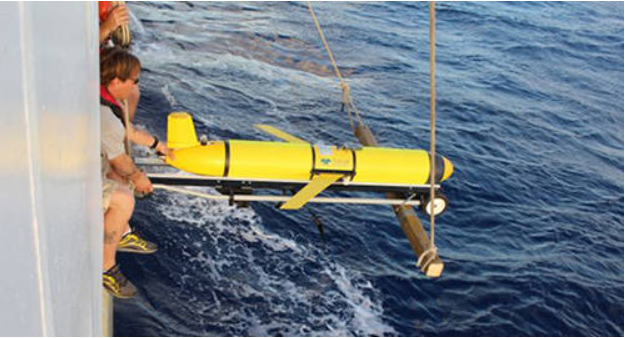
Use NOAA’s programme and ship-status links for updates. The programme warns that dates can change, and this article does not promise a live video feed for this particular technology trial. The archive cover photograph depicts a 2015 glider deployment near St. Thomas, not the 2026 trial platform, Hawai’i fieldwork or current test evidence.
Sources and date context
NOAA Ocean Exploration in the Field: 2026 — source date: 2026-05-06; checked 2026-10-28.
NOAA Ship Okeanos Explorer: current status — source date: undated page; checked 2026-10-28.
The programme lists its last update as September 8, 2026. Scheduled event dates are October 28-November 16, subject to change; ship departure and trial results are not confirmed here.
TRIMIX Sports. Dated news explainer checked October 28, 2026.
Join the discussion
Share a question or a useful experience about this article. Every comment is reviewed before it appears.