Practical guides and source-backed updates on diving, snorkeling, swimming and water sports technology.
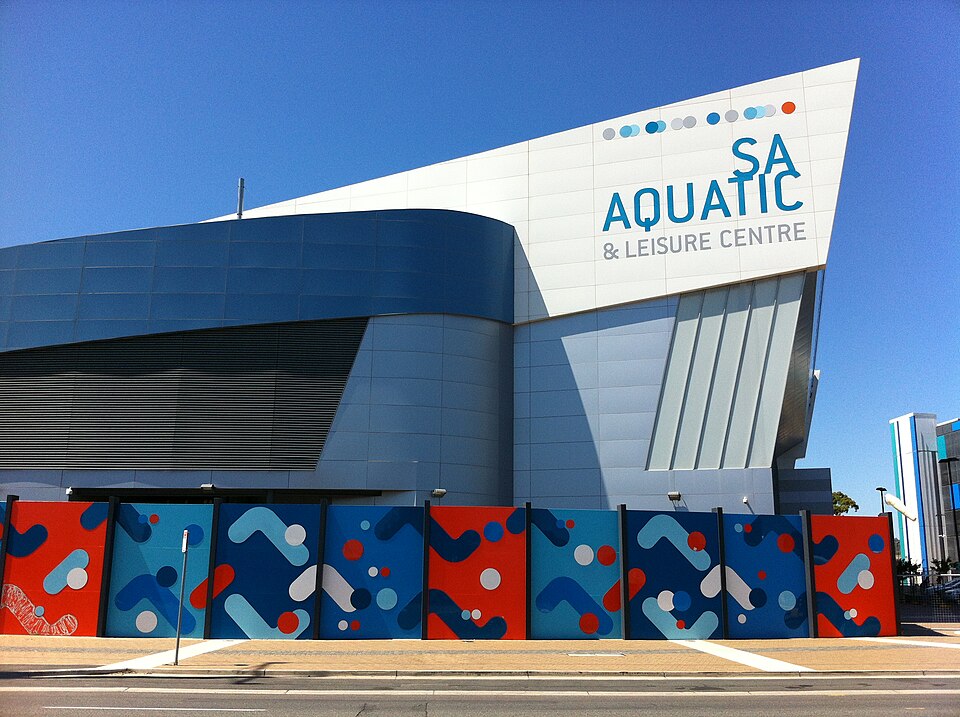
Photo: Ianblair23 · Source · CC BY-SA 3.0South Australia Aquatic and Leisure Centre, March 2, 2014. Archive photograph of one named facility; not a photograph of the October 2026 assessment.Original: South Australia Aquatic and Leisure Centre exterior.JPG. No editorial edits. Downloaded unchanged repository-provided proportional thumbnail.
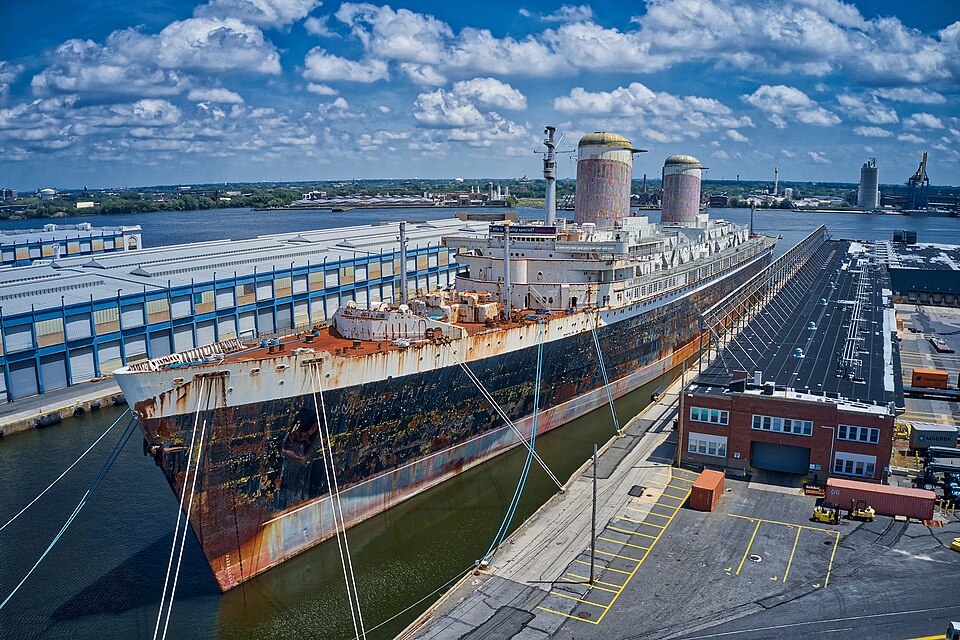
Photo: Chuck Homler d/b/a FocusOnWildlife · Source · CC BY-SA 4.0SS United States in Philadelphia, Pennsylvania, photographed by drone on August 2, 2020. The creator describes a five-exposure HDR photograph. This historical view does not show Mobile in 2026, the November ceremony, a completed reef or current dive access.Original: SS United States HDR off Bow.jpg. Unchanged repository-provided 960px JPEG. The creator identifies the source as a five-exposure HDR photograph; no local edits were made. Photograph remains CC BY-SA 4.0.
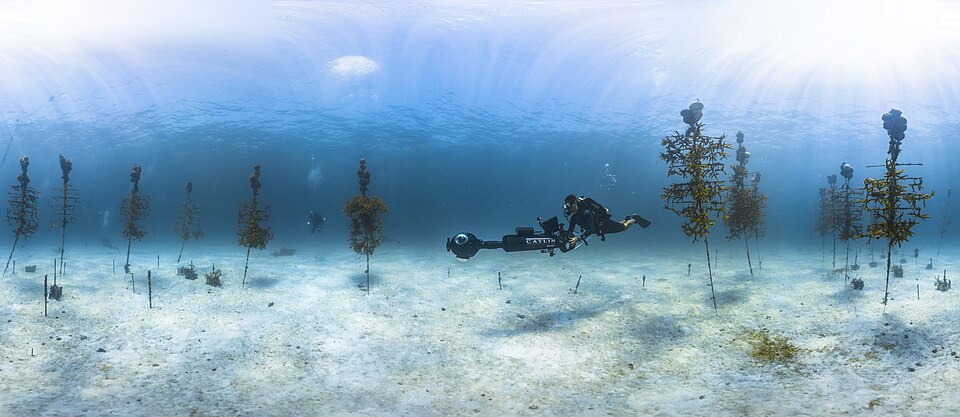
Photo: Mitchell Tartt / NOAA · Source · Public domainA coral nursery in Florida Keys National Marine Sanctuary, photographed by Mitchell Tartt/NOAA on August 9, 2014. This historical field-nursery image is context; it does not depict AIMS SeaSim, the CGRAS robot, or its reported performance test.Original: FKNMS - coral nursery (27367671414).jpg. Unaltered source-provided photograph or Wikimedia thumbnail; no local edits. Original composition and colors retained.
A September 30 preprint reports robotic imaging of tiny corals in aquaculture. The result concerns monitoring work, rather than proof of recovery on an open reef.
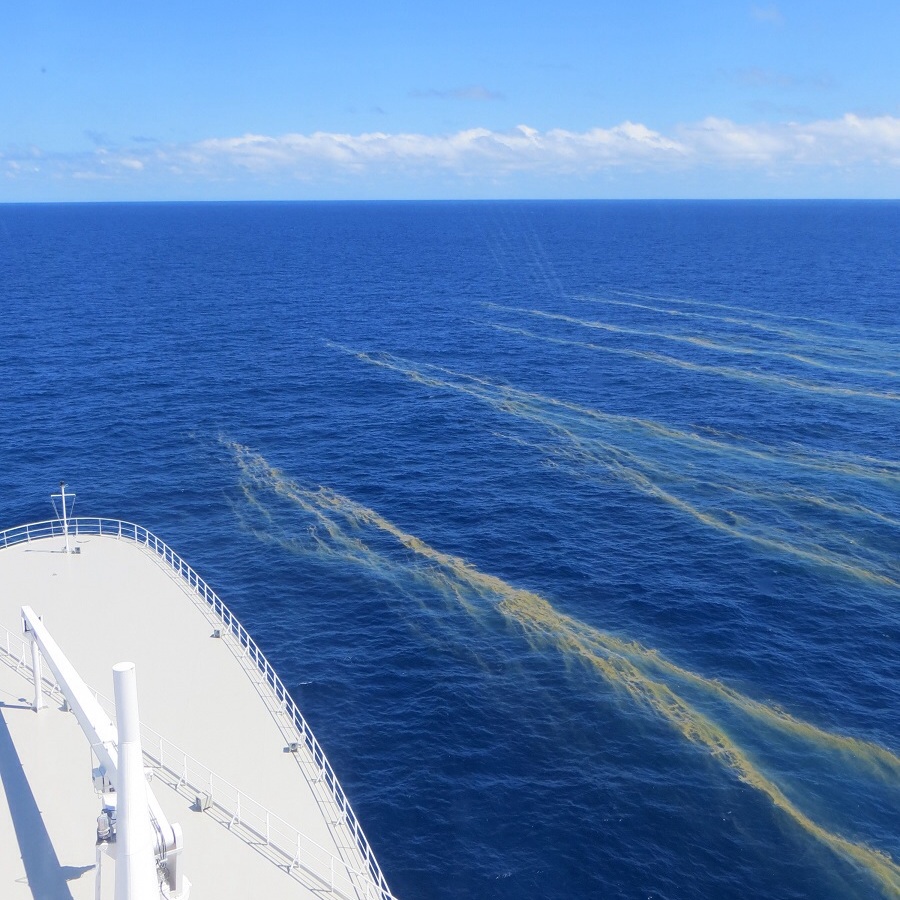
Photo: Wexcan · Source · CC BY-SA 3.0Trichodesmium bloom off the Great Barrier Reef, photographed by Wexcan. The source filename is labeled 2014; an exact capture date is not supplied in the file description. This historical context does not establish conditions in October 2026 or at a current visitor site.Original: Trichodesmium bloom off Great Barrier Reef 2014-03-07 19-59.jpg. Unaltered source-provided photograph or Wikimedia thumbnail; no local edits. Original composition and colors retained.
The Reef Authority’s October explanation describes a seasonal marine microbe with an ecological role and a reason to avoid direct contact. It is not a closure order.
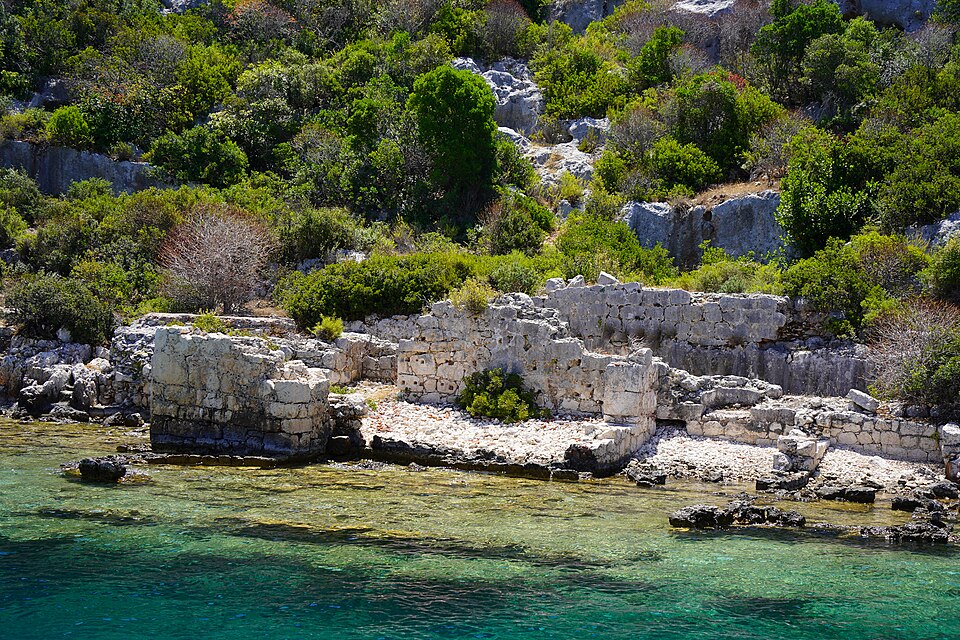
Photo: JamesDavidShoots · Source · CC BY-SA 4.0Ruins at Simena, Kekova, photographed by JamesDavidShoots on June 24, 2023; the source describes them as second-century remains. These are different remains from the Bronze Age shipwreck discussed in the article, not excavation photographs or evidence for its dating.Original: Underwater Ruins Kekova.jpg. Unaltered source-provided photograph or Wikimedia thumbnail; no local edits. Original composition and colors retained.
An October account by a participating archaeologist explains the tentative dating of Kekova’s cargo. An earlier preliminary paper provides the discovery timeline.
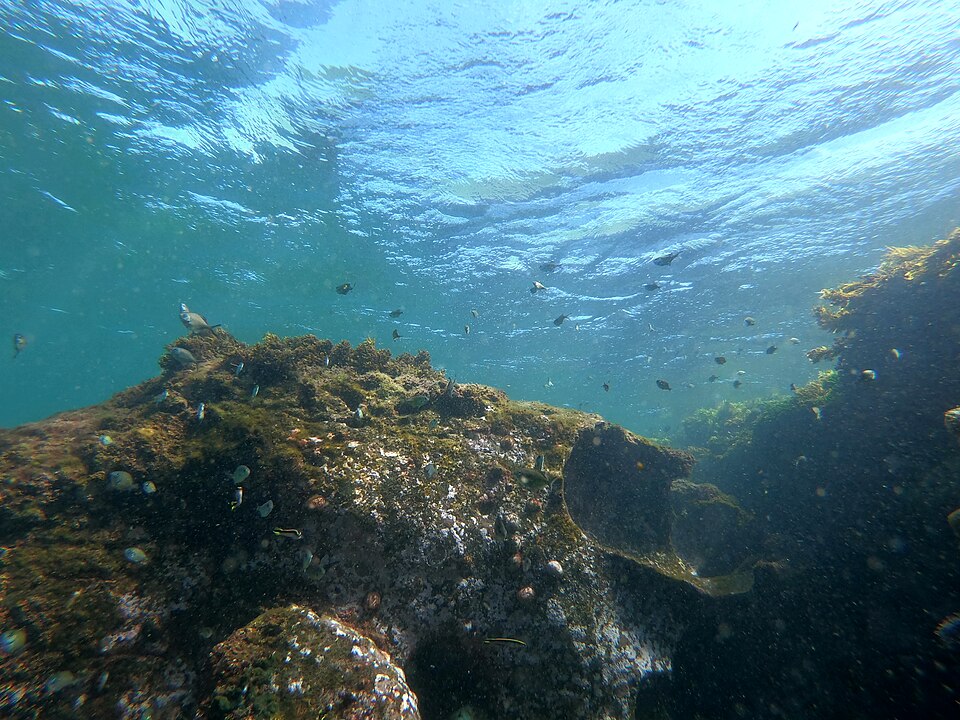
Photo: Boden Wilkinson · Source · CC BY-SA 4.0Fish above the submerged rock shelf at Long Reef Aquatic Reserve, New South Wales, photographed by Boden Wilkinson on June 28, 2022. This contextual image is from a different Australian coast; it does not show the Cairns study meadows, research surveys, or measured recovery.Original: Long Reef Aquatic Reserve Australia.jpg. Unaltered source-provided photograph or Wikimedia thumbnail; no local edits. Original composition and colors retained.
JCU’s October explanation of long-term Cairns research shows why fish abundance, species richness, and community composition should be read separately.
Allow Google Analytics to help us understand visits, traffic sources and product interest? Analytics loads only if you accept. You can reject it and keep browsing, or change your choice below.