
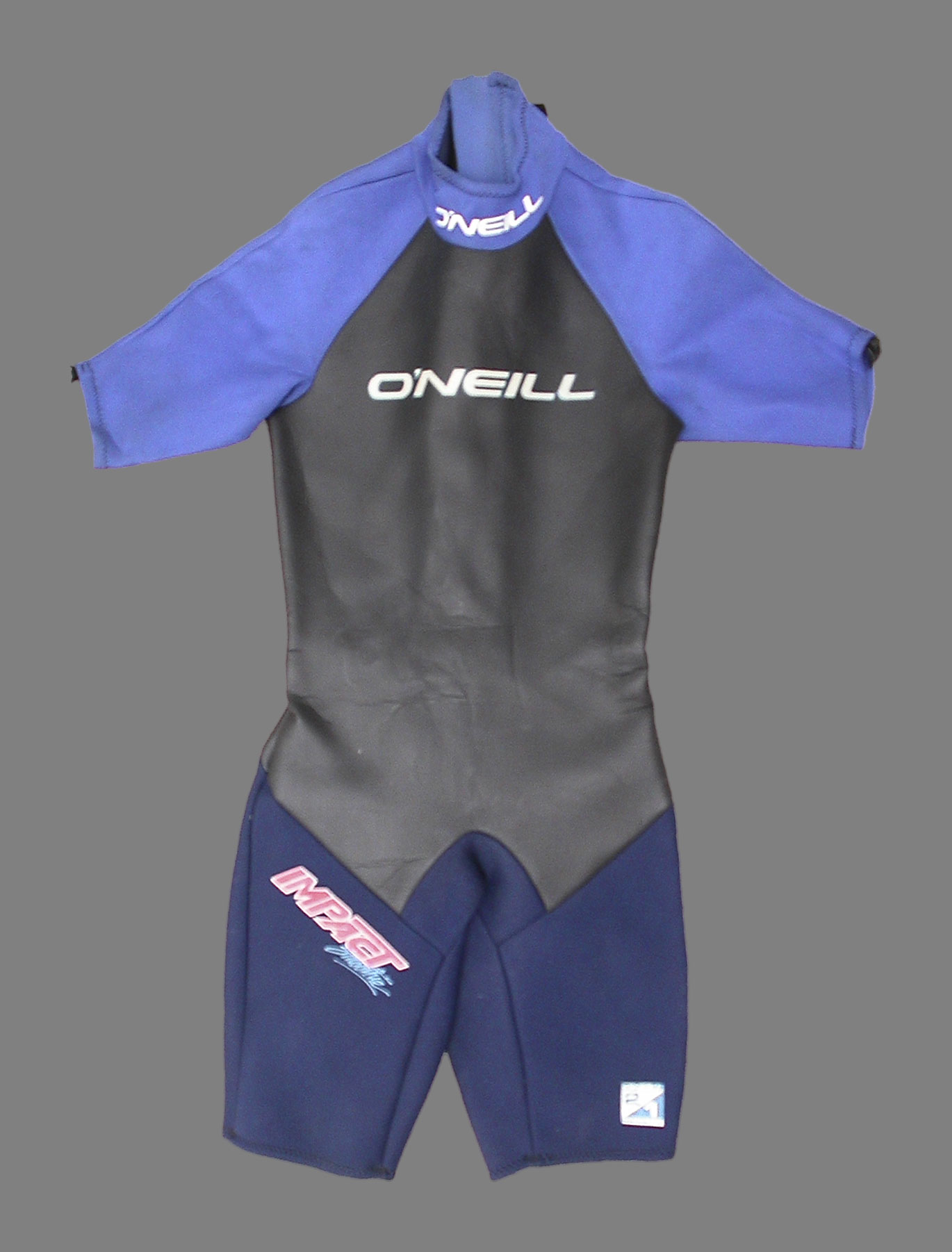
A long sleeve does not tell you how much insulation a snorkeling garment provides. Rash guards, thin body suits and neoprene wetsuits can cover similar areas while serving different purposes. Start with the job you need the clothing to do, then check the actual material and product information.
Separate coverage from insulation
PADI’s body-suit guide describes skins and rash-guard styles as providing little or no insulation, while offering coverage and sun protection. Its wetsuit explanation, published September 15, 2013, identifies neoprene thickness and fit as important parts of insulation. These are different clothing functions, rather than interchangeable names for the same product.
Neither a thickness number nor a destination’s reputation supplies a personal comfort guarantee. Do not treat a tropical-water label as a complete answer for a long session, wind between sessions or an individual who becomes cold easily. Ask a qualified local provider about the expected conditions and suitable exposure protection.
Read UV claims on the actual garment
As a product-specific example, SCUBAPRO lists polyester construction and UPF 50 for its long-sleeve rash guard. That rating belongs to that documented garment; it should not be copied onto every similar-looking shirt. Check the label, coverage and care directions for the product you are considering.
List the exposed areas your outfit leaves uncovered, rather than assuming long sleeves mean complete coverage. A top, a full-length suit and separate bottoms produce different combinations. Clothing is one part of a broader sun-protection plan, and this article does not prescribe medical or individual skin-care advice.
Build a four-column comparison
Write down coverage, material or thickness, documented UV information and fit. An unknown entry should stay unknown until the supplier answers it. This prevents an attractive print, a generic stretch-fabric description or a bundle name from standing in for a missing specification.
If you intend to layer garments, ask about that exact combination and try it appropriately before the trip where possible. Recheck comfort and movement rather than merely adding the advertised thicknesses together. Follow each item’s washing, drying and storage instructions, because compatible use and compatible care are separate questions.
Request the information that changes the choice
For a planned TRIMIX list, ask about actual garment availability and specifications with your activity and local provider’s requirements. The buying guide explains how inquiries work. The third-party examples here are documentation references, not a claim that those garments are sold or independently tested by TRIMIX.
Compare the front and back coverage in the actual product photographs, and ask how closures or openings affect the coverage you expect from the outfit.
Evidence note: Evergreen comparison checked October 27, 2026. PADI’s wetsuit article is dated September 15, 2013; the body-suit and manufacturer product pages are undated. Older guidance is identified openly, not presented as a new launch.
Join the discussion
Share a question or a useful experience about this article. Every comment is reviewed before it appears.