
Access to competitive swimming starts well before a start signal. A swimmer needs a suitable local opportunity, clear entry information and a way to ask about individual requirements. An October 23 report from Swimming NSW gives a useful regional example, alongside a separate guide explaining how Multi-Class participation works.
What Laurieton and Taree organised
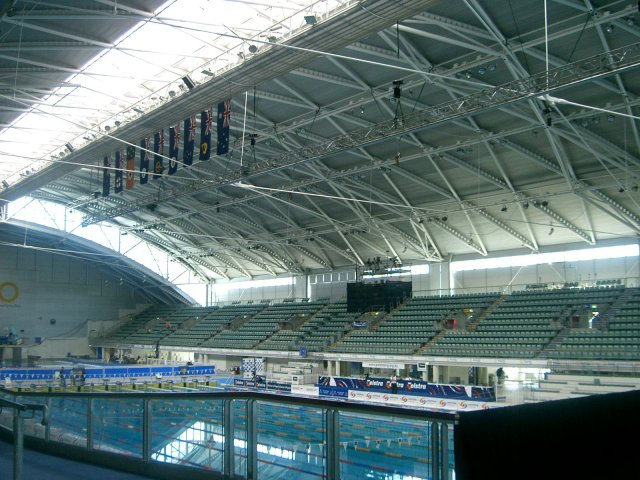
Laurieton Swimming Club and Taree Torpedoes Swim Club jointly hosted a dedicated Multi-Class meet at Manning Aquatic and Leisure Centre. Swimming NSW’s October 23 report describes participation across ages and experience levels, involvement from volunteers and officials, and attendance by Rainbow Club Australia representatives. The federation describes it as what it believes was the first dedicated regional NSW meet of this kind. That is an attributed description, rather than an independently established historical record. The report does not give an exact event date.
Its separate Multi-Class participation guide explains that swimmers from different classifications can share a race, with a points system comparing performances against classification and event benchmarks. Eligibility goes through classification and minimum criteria. The page links to a club finder, an engagement form and classification resources.
Separate the three access questions
The first question is geographical: which club or event can a swimmer realistically reach? A regional example matters because it makes the location of an opportunity part of the discussion. It does not, by itself, tell a reader which future meet is closest or currently accepting entries.
The second question is about participation: what information does the organiser need before someone enters? Use the federation’s guide to understand the pathway, then ask the relevant club about the actual event. A general description of an inclusive environment is not the same as confirmation of a particular entry category, support arrangement or starting procedure.
The third question is about the visit itself. Our suggested planning note would record the named venue, the swimmer’s practical access questions, who can answer them, and any response still needed. Pool-deck access, changing arrangements and the support available during the session are concrete matters to resolve with the operator or organiser; this report has not audited those services.
Read a result in its competition context
For someone watching Multi-Class racing for the first time, the points explanation is particularly valuable. The first swimmer to touch and the leading performance on the competition’s scoring system are different pieces of information. Read the result heading and classification context together before drawing a conclusion from a single finishing order.
The local meet is a prompt to explore the pathway, rather than a current booking notice. Start with the linked participation page when looking for an affiliated club. For the wider facility question, our report on Australia’s community-pool renewal discussion explores why the availability of a local aquatic space matters alongside the activity offered inside it. A welcoming competition and a usable venue are complementary parts of an opportunity.
Sources checked October 25, 2026. Local report published October 23; participation guide is undated. No athlete eligibility, accessibility audit or future entry availability is asserted.
Join the discussion
Share a question or a useful experience about this article. Every comment is reviewed before it appears.