
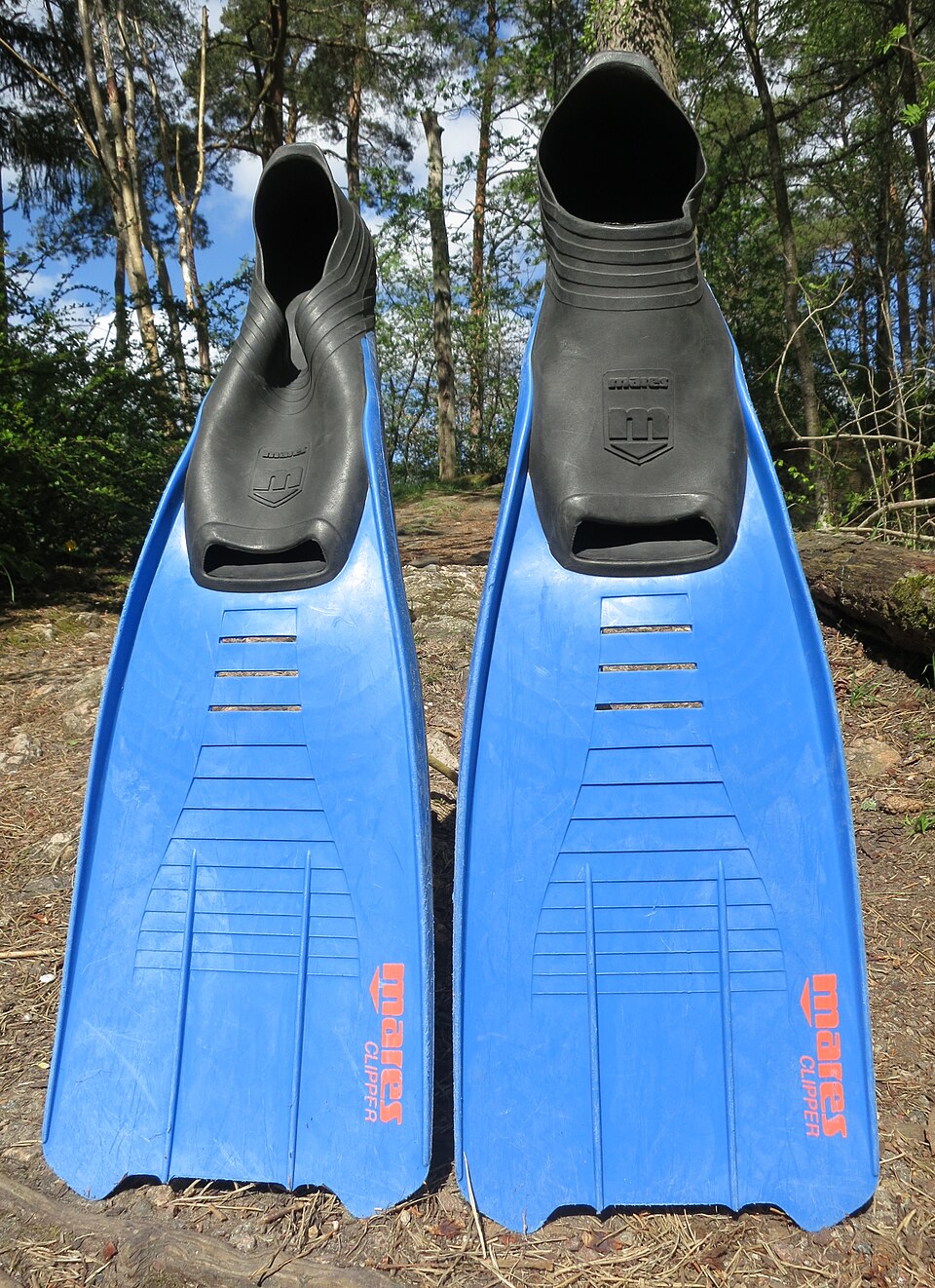
Read a recycled-content statement against the actual component it describes. A recycled blade, a recycled-plastic percentage for the product and plastic-free packaging give you different information. Before paying extra for a material claim, ask for the exact fin model and the scope of the figure.
Use a named product to see the distinction
In its Rec Fins development explanation, Fourth Element says it aimed for fully recycled materials but retained silicone in the heel strap because it had not found a suitable replacement. It describes the resulting fins as made from 97% recycled plastic. This is the maker’s account of that design decision. It should stay attached to the Rec Fin described in the source rather than becoming a claim about every fin carrying the brand.
The explanation also identifies a conventional four-channel shape. That provides a useful reminder when comparing products. The material-source claim and the blade geometry need separate entries in a buying comparison. Recycled content alone supplies no measured answer about how a different fin will feel on your foot or perform for your activity.
Ask what the label includes
Fourth Element’s fin-buying guide describes the Rec Fin as a scuba fin that is also suitable for snorkeling. Keep that intended-use description alongside the material information. It gives the comparison an activity context while leaving fit and footwear to assess for the person buying the fins. The guide also distinguishes the Rec Fin material description from the natural-rubber construction of the maker’s Tech Fin.
Make a comparison with separate rows for blade, foot pocket, heel strap and package. Copy the manufacturer’s wording into the relevant row and keep the source URL beside it. Where a whole-product percentage is given, ask how the maker defines the scope before combining it with a percentage for a single component. Leave an unanswered row blank rather than estimating it from colour or texture.
Include ordinary ownership questions
Ask which straps and other spares are available for the exact revision, and obtain its care instructions. If the environmental claim concerns packaging, ask whether a later replacement part arrives in different packaging. A documented component replacement can matter to the ownership decision without proving a particular environmental outcome.
For a separate performance comparison, see the fin-blade stiffness guide. You can ask TRIMIX about documented material information for an item actually offered in its catalog. No Rec Fin supply, independent material audit or comparative fin test by TRIMIX is claimed here.
Evergreen document-based guide. Primary sources checked November 18, 2026. The manufacturer development article was published March 15, 2022 and its fin-buying guide March 17, 2022, according to their page metadata. TRIMIX has not independently tested the equipment discussed.
Join the discussion
Share a question or a useful experience about this article. Every comment is reviewed before it appears.