
A crab-inspired robot that can swim has not necessarily demonstrated the complete journey from air to water to the seabed. A November 23 Stony Brook University update describes a proposed two-robot system intended to make that journey. For readers following underwater technology, the interesting question is how the parts and transitions will work together, beyond a single movement shown in a demonstration.
Two robots have different proposed jobs
Stony Brook describes a tether-connected pair being developed with Case Western Reserve University. One robot would guide the system towards the seafloor and support scouting or communication; the other would investigate the bottom. The project addresses difficult coastal environments and has possible environmental-monitoring applications. These are development objectives, not a consumer equipment specification or an announcement of routine deployment.
The partners’ work also has an earlier history. Case Western Reserve’s article, displaying a May 26, 2026 date, describes research on materials, swimming control, air-to-water deployment and adaptive intelligence. It explains why a machine crossing several environments involves more than giving a walking robot a waterproof body.
Read the transitions as part of the task
It helps to sketch the proposed mission as connected stages. Ask what has been demonstrated at each stage and what evidence joins one stage to the next. This is a way to read the project, not a sequence for operating a robot.
| Part of the proposed system | Evidence a later report could clarify |
|---|---|
| Movement in different environments | Which motions were actually tested, rather than only planned? |
| Transfer between environments | Was the transition observed as part of one connected trial? |
| Two-robot coordination | What did each vehicle do, and how were their actions linked? |
| Control and communication | Which decisions belonged to the robot and which to an operator? |
A useful comparison therefore follows the whole stated task. A successful isolated movement supplies evidence about that movement; it does not fill in an unreported transition, coordination step or return journey. Keeping these gaps visible gives later updates something concrete to answer.
What the latest update adds
The November account describes an early camera-based marker-tracking demonstration and plans for a facility combining waves and wind. Coastal testing is a later goal. Those are different milestones: a tracking example, development of a test environment and a future field campaign.
Follow those milestones separately when assessing progress. Neither university report establishes an available recreational robot, compatibility with TRIMIX equipment or permission to undertake hazardous underwater work.
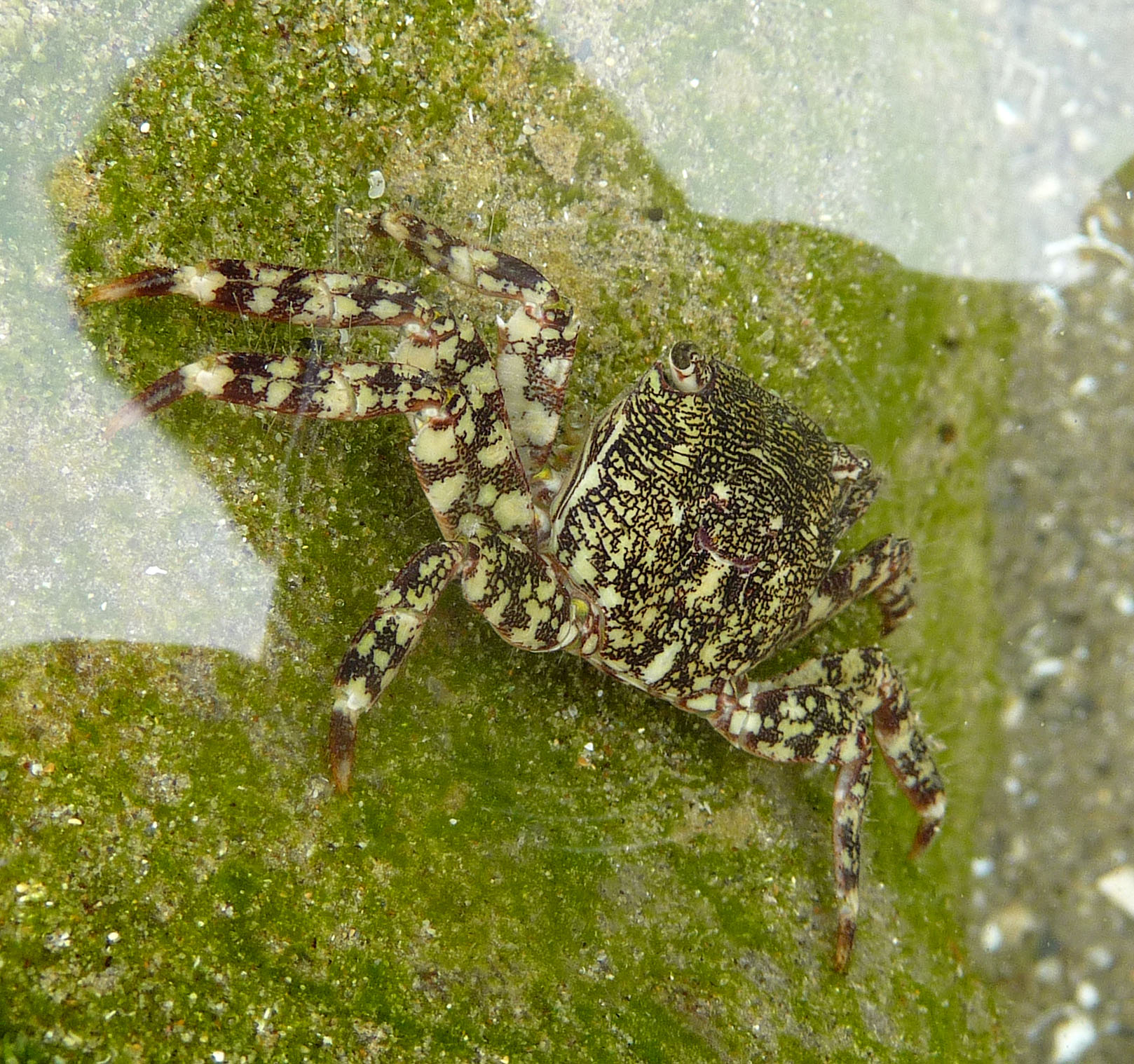
Checked November 28, 2026. Stony Brook’s report was published November 23 and modified November 24. The older partner article is background, not a second new announcement. The contextual photograph is labelled separately and does not show the research prototype or its tests.
Join the discussion
Share a question or a useful experience about this article. Every comment is reviewed before it appears.