
Swimming Victoria’s October 21 report on its Regional Roadshow describes a weekend at Wodonga Sports & Leisure Centre for the Ovens and Murray swimming community. It brings together an idea that can be overlooked when choosing a swimming programme: swimmers benefit from a functioning club community as well as time in a lane. The official report was checked on October 23, 2026.
One visit, several parts of club life
The state body’s account covers coach education, a swimmer clinic, club development and technical-official learning. It reports a clinic involving 36 athletes, with Holly Barratt and Nic Baker, plus sessions for coaches, club participants and officials. Its club workshop explored participation and inclusion through the Splash Collective strategy. The next stop listed in the report is Hume & Upper Goulburn and Goulburn Valley on December 5.
This is a report of an activity that has already taken place, not an announcement that registration remains open in Wodonga. The article is dated October 21 and calls it the previous weekend; we are not assigning an exact event date that the report does not explicitly provide. Future dates should be confirmed with the organiser before plans are made.
What to ask when comparing local programmes
For a family or adult swimmer looking at clubs, the account suggests useful questions beyond the number of sessions on a timetable. How does a club explain the route from joining to taking part? Who helps a new member understand the programme? Where do volunteers and coaches get their information when practices change?
These are questions to take to a club, not a checklist used here to grade any organisation. A public article cannot determine how welcoming a particular session will feel or whether a programme fits an individual swimmer. A visit and a direct conversation about the actual provision can be more informative than a photograph of impressive facilities.
Learning opportunities do different jobs
A one-off clinic can introduce ideas; a regular programme determines how learning is supported afterwards. Coach education and volunteer development address other parts of that experience. Reading the different sessions as separate contributions makes the roadshow easier to understand than treating every activity as additional training for the swimmers.
The report also gives small clubs a concrete example of topics to discuss within their own community. They can ask which participants are being reached, what information new members need and where the next learning opportunity sits. None of that requires assuming that one region’s event is a ready-made programme for every other club.
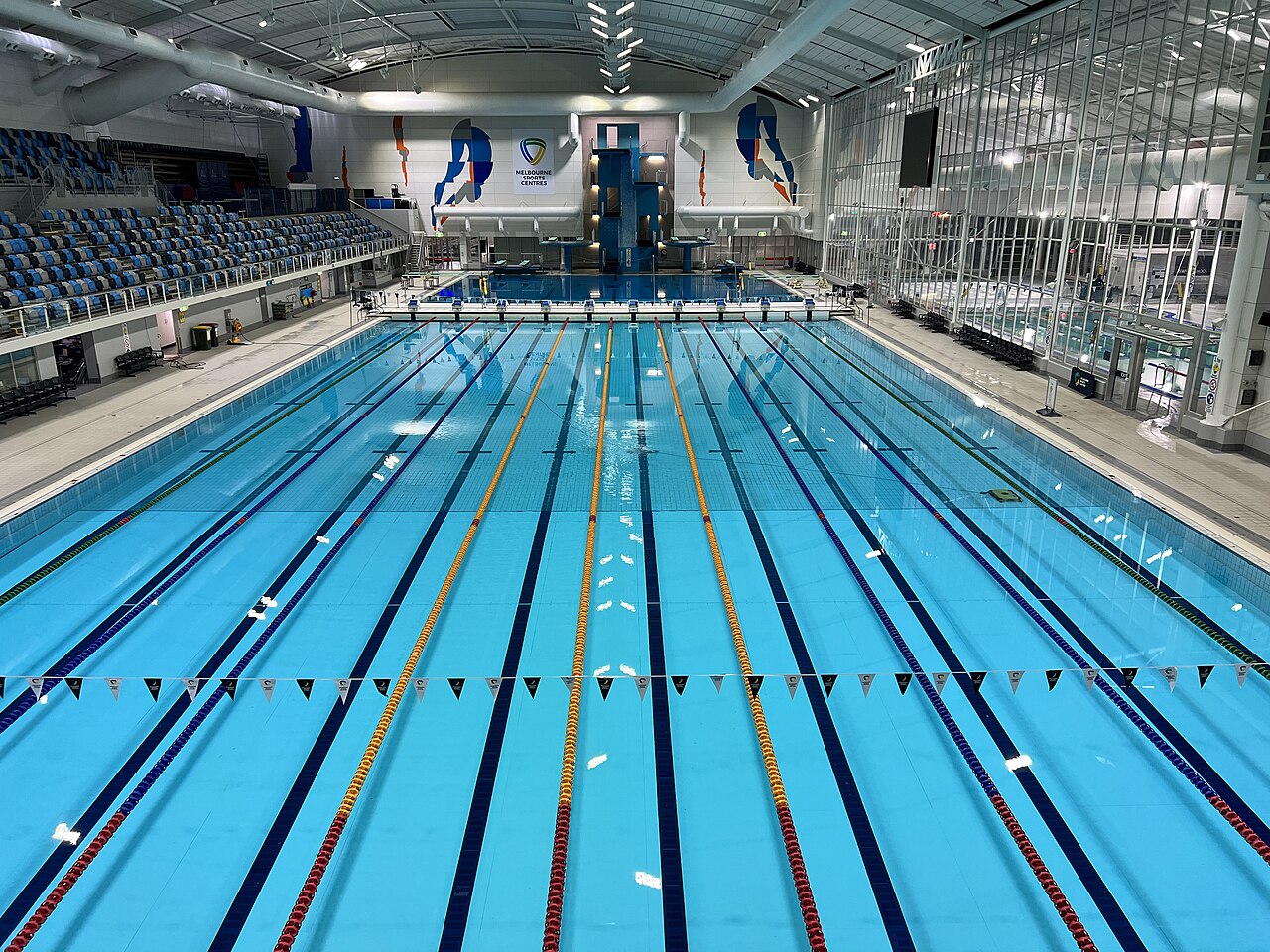
Equipment is one part of participation, so clarify the local programme’s requirements before buying. Our support page handles questions about TRIMIX items themselves; we do not claim a connection to this roadshow. The photograph shows Melbourne Sports and Aquatic Centre in October 2022. It is Victorian swimming context, not Wodonga, the roadshow venue or an image of its participants.
Join the discussion
Share a question or a useful experience about this article. Every comment is reviewed before it appears.