
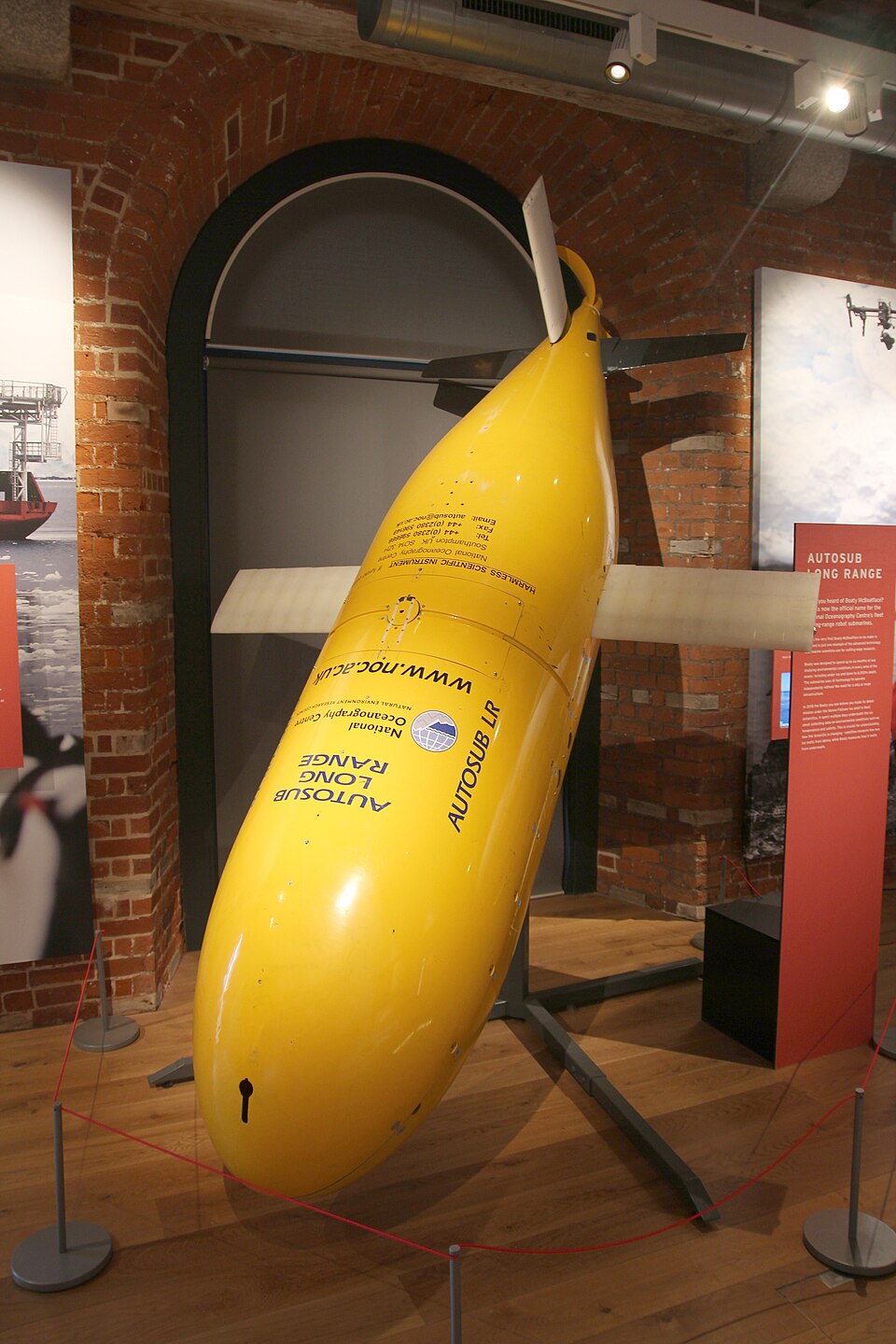
UKRI’s Arctic-frontier ocean-autonomy call funds technology development. It is not an announcement that a new underwater robot is ready to buy. Researchers can use it to check project eligibility; equipment readers should keep the funding stage separate from later demonstrations and commercial availability.
Funding update checked November 26, 2026. The official UKRI opportunity was published November 4, updated November 10 and opened November 19 at 9:00am UK time. The stated closing time is February 2, 2027 at 4:00pm UK time.
Start with the named call, not the programme headline
The call targets technological barriers to marine autonomous vehicles in remote, exceptionally harsh environments. UKRI identifies endurance, measurement, navigation and advanced materials. Applicants need an eligible UK research organisation and the relevant individual eligibility.
| Item | What this opportunity states |
|---|---|
| Total fund | GBP 1.2 million for this call. |
| Project cost and contribution | Full economic cost up to GBP 250,000; normally 80% funded by UKRI. |
| Development stage | Potential to move from low to mid technology readiness levels, with a route towards later readiness. |
| Important exclusions | Cruise costs and autonomous deployment requests are not funded under this call. |
The NERC Arctic Office’s November 16 bulletin discusses this and a separate call, Arctic frontier: shifts in science, within the broader Ice-free Arctic Ocean programme. That context explains why several funding figures may appear in coverage. It does not make the different call budgets or permitted activities interchangeable.
Make a short project evidence record
Before treating the opportunity as relevant to a particular team, write down the exact call title, the proposed technical barrier, the institution responsible and the work that the requested funding would actually pay for. Put a proposed component test and a proposed offshore deployment in separate rows. This makes an exclusion visible before a headline budget becomes a mistaken planning assumption.
Then distinguish today’s evidence from the next milestone. A concept, a component result, an integrated prototype and a repeatable service answer different questions. Record the supporting report beside each claimed milestone. Where no result exists yet, leave it as a proposed outcome rather than presenting the funding application as verification.
How consumers should interpret the announcement
For a US, Australian or European buyer following underwater innovation, this is a signal about research priorities, not a product specification. It establishes no consumer depth rating, operating endurance, delivery date or compatibility with TRIMIX equipment. A future project would need its own evidence before those questions could be answered.
Use the official opportunity for the full eligibility, cost and deadline conditions. This article is a reading guide rather than an application assessment, and it does not claim that TRIMIX participates in the programme.
Join the discussion
Share a question or a useful experience about this article. Every comment is reviewed before it appears.