
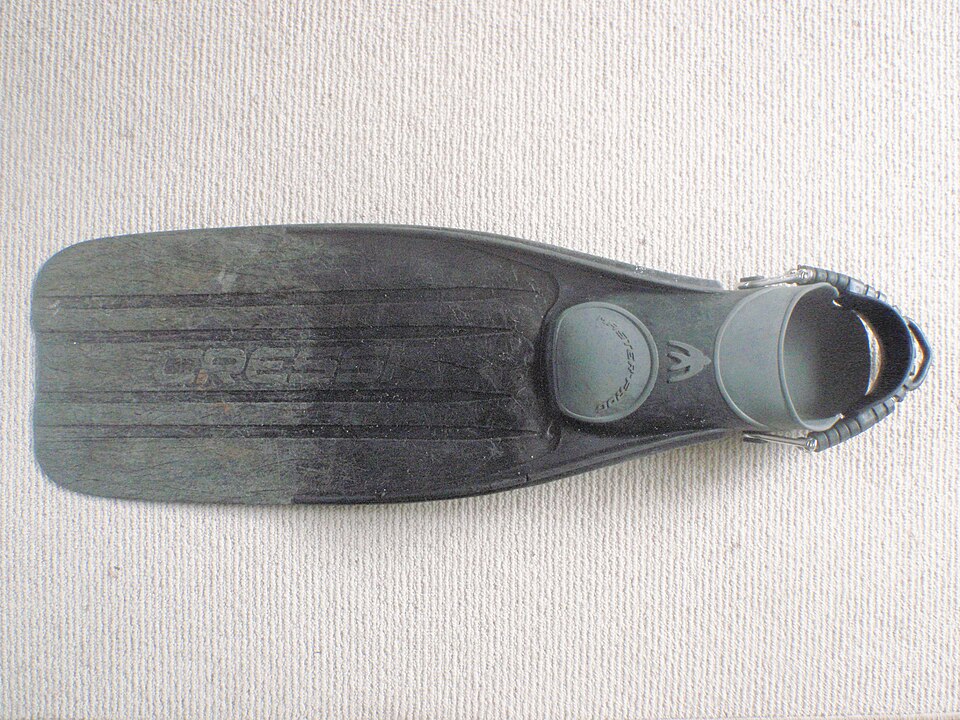
A short snorkeling fin and a longer fin can both be sensible purchases. The decision becomes clearer when you separate the activity, the actual blade and the manufacturer’s description. Length alone does not establish how a fin will feel on your legs or how fast you will travel.
Start with the intended activity
Cressi presents the Agua Short as a shorter version of its Agua design for pool or open-water swimming, with travel convenience among its intended benefits. The company describes the Rondinella as suitable for snorkeling, freediving and longer swims. These are manufacturer descriptions of two specific designs. They do not establish a universal boundary between a swimming fin and a snorkeling fin.
Write down your main use before choosing a category. A guided surface outing, a pool session with a coach and an activity requiring specialist training are different situations. Ask the provider what type of fin is appropriate. A longer blade does not turn ordinary snorkeling equipment into a reason to attempt deeper or more demanding conditions.
Read shape and materials alongside length
For the Rondinella, Cressi identifies a polypropylene blade combined with a softer thermoplastic foot pocket and other components. The Agua Short listing emphasizes its shorter format and flexible pocket. Treat those descriptions as a starting point for questions, rather than a measured comparison of stiffness or effort.
If two listings both say soft, ask whether they provide a comparable stiffness scale. A material name alone is insufficient: thickness, blade shape and the complete assembly can differ. Unless a maker publishes a common test, do not convert two marketing adjectives into a numerical performance ranking.
Make a comparison you can actually use
Record the exact model and size, overall length, blade length if separately specified, and whether weight is for one fin or a pair. Keep blanks where a value is missing. An overall dimension includes the foot pocket, so it cannot automatically substitute for the length of the flexible blade.
Then ask to try an appropriate model with professional guidance where available. Comfort and manageable effort belong in the decision alongside the shape. Do not choose equipment on the assumption that it will overcome currents or replace local advice about conditions.
Request the missing details
For an equipment inquiry, send TRIMIX the fin models and the dimensions you need compared. Include your intended surface activity and the provider’s recommendation. These Cressi examples do not establish a current TRIMIX fin listing or stock. The buying guide explains the inquiry process; it is separate from placing an order.
Evidence note: Evergreen equipment guide checked October 28, 2026. The linked product and guidance pages do not state publication dates. Product descriptions are attributed to their manufacturers; TRIMIX has not independently tested their performance, fit or cross-brand compatibility.
Join the discussion
Share a question or a useful experience about this article. Every comment is reviewed before it appears.