
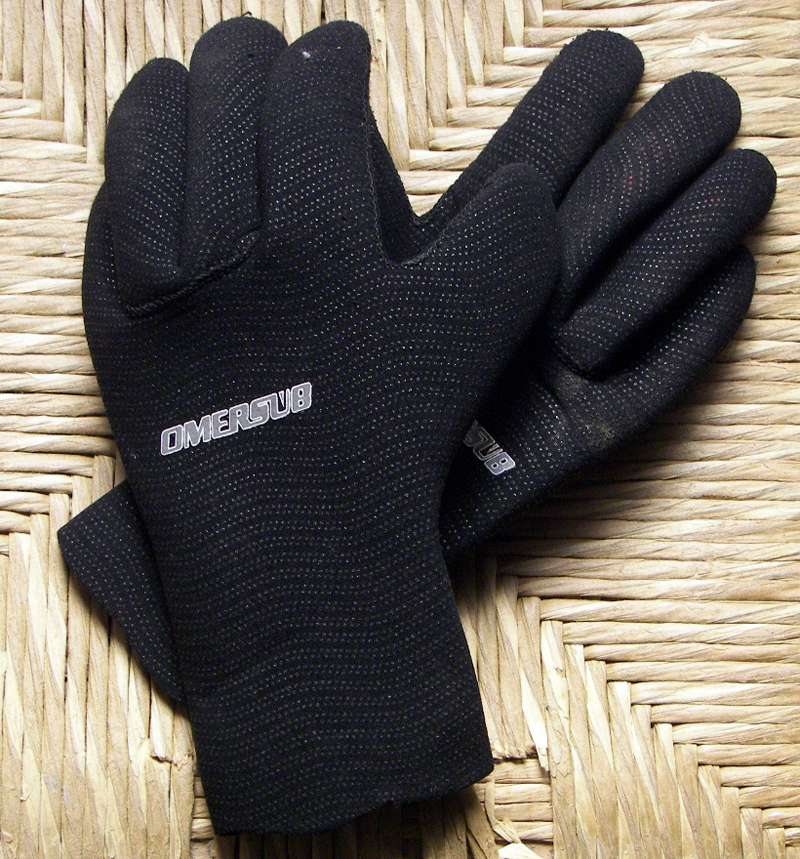
Gloves should have a specific job in your snorkeling equipment list. Start by asking the operator whether they are appropriate for the location and activity. Then consider the actual material, size and hand movement required. An item called a reef glove is not permission to touch a reef.
Confirm the venue’s expectations first
The Reef Authority’s responsible-practices guidance tells visitors to avoid holding or touching the reef and to keep equipment from dangling into it. Gloves do not change that principle. Ask your specific operator about its glove policy and any local access conditions before buying equipment for the trip.
This is a planning question, not a claim that one glove rule applies across every reef or country. If the operator’s instructions conflict with your intended equipment, resolve the issue in advance rather than assuming a product label overrides the venue’s requirements.
Compare the published construction
Cressi’s High Stretch description identifies a 2.5 mm neoprene option and describes its lining and shaped fingers. SEAC’s Comfort 3.0 describes a 3 mm lined-neoprene glove and provides a size chart based on palm circumference. These examples show why thickness is only one part of the specification.
Record lining, closure, palm material and the maker’s intended use as well as nominal millimeters. Do not turn a thickness number into a universal water-temperature prescription or a promise of warmth for a particular person. Ask a qualified local provider about an appropriate equipment combination for the planned conditions.
Check what you need to operate
Use the manufacturer’s measurement method for sizing. A letter size from another brand is only a reference until the relevant chart is checked. If possible, evaluate ordinary equipment controls with suitable professional guidance: can you manage the mask adjustment or camera control you intend to use?
Keep dexterity, comfort and intended insulation in the same comparison. A glove described as abrasion-resistant is not established protection from every sharp object or marine animal. Avoid turning an equipment feature into a reason to handle wildlife or grip the seabed.
Put the purpose in the inquiry
Ask about appropriate glove availability and sizing, including the exact model, palm measurement, intended surface activity and your operator’s requirements. The Cressi and SEAC examples are documentation references, not verified TRIMIX listings. The buying guide explains what to provide in an inquiry; supply and suitability still need confirmation.
Evidence note: Evergreen equipment guide checked October 28, 2026. The linked product and guidance pages do not state publication dates. Product descriptions are attributed to their manufacturers; TRIMIX has not independently tested their performance, fit or cross-brand compatibility.
Join the discussion
Share a question or a useful experience about this article. Every comment is reviewed before it appears.