
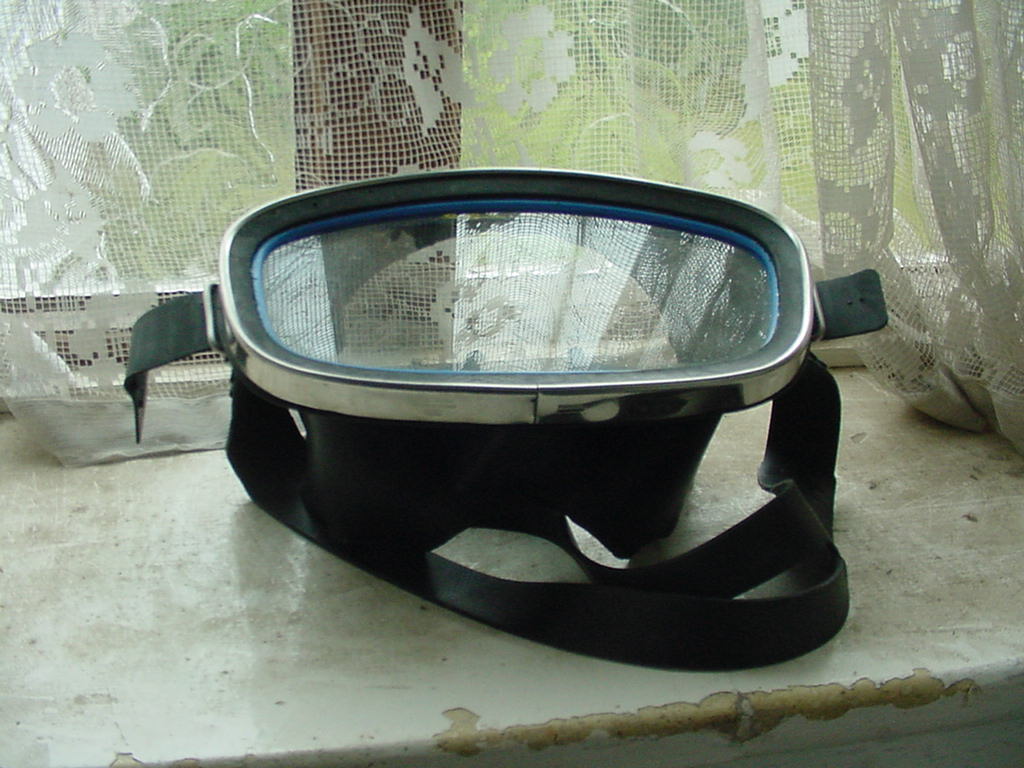
Two snorkeling masks can look similarly clear and soft while using different materials. A broad listing such as silicone mask may also describe only one component. For a useful purchasing comparison, ask separately about the skirt, lens, frame and strap rather than assigning one material to the whole product.
Look for a component-specific statement
Cressi’s Metis Action Classic description identifies a liquid-silicone facepiece and strap. This gives the buyer a component-specific statement to record. It does not establish the material of every mask in the same broad category, or provide an independent lifespan comparison with PVC and other polymers.
SEAC’s Marina page separately identifies silicone-skirt variants and an SLT-polymer variant, with different lens-material descriptions. This is a children’s product family, used here only to illustrate how the full variant name changes the specification. It is not an adult mask recommendation or an invitation to select children’s equipment by appearance.
Do not decode a trade name by guesswork
Write down the manufacturer’s actual term when a listing uses SLT, TPE or another label. Ask what it means for the particular component and model. Do not silently expand a trade term into a chemical formula or assume two makers use the same term in the same way.
Likewise, clear is an appearance description, not a material identification. A photograph cannot prove that a skirt is silicone. A tempered-glass lens statement does not establish the skirt material, and a silicone mouthpiece in a set says nothing by itself about the mask supplied beside it.
Request evidence useful for ownership
Ask for the exact specification and care instructions that accompany the supplied variant. Confirm whether any allergy-related wording is a manufacturer claim and what it actually covers; do not treat a broad hypoallergenic label as a guarantee of individual tolerance. Uncertain reactions or personal medical questions need qualified advice.
If a seller proposes a substitute, ask whether the skirt, lens or strap material changes. Keep that answer with the product code and date. A similar product name is insufficient when you are choosing for a particular material preference or trying to replace a known piece of equipment.
Apply the checklist before requesting a quote
For the actual K1 Diving Mask listing, request its component materials and current supplied configuration. State which component you need confirmed. Other manufacturers’ examples do not establish K1’s materials, certification or suitability, and this inquiry step does not create an order or send a message automatically.
Evidence note: Evergreen equipment guide checked October 28, 2026. The linked product and guidance pages do not state publication dates. Product descriptions are attributed to their manufacturers; TRIMIX has not independently tested their performance, fit or cross-brand compatibility.
Join the discussion
Share a question or a useful experience about this article. Every comment is reviewed before it appears.