
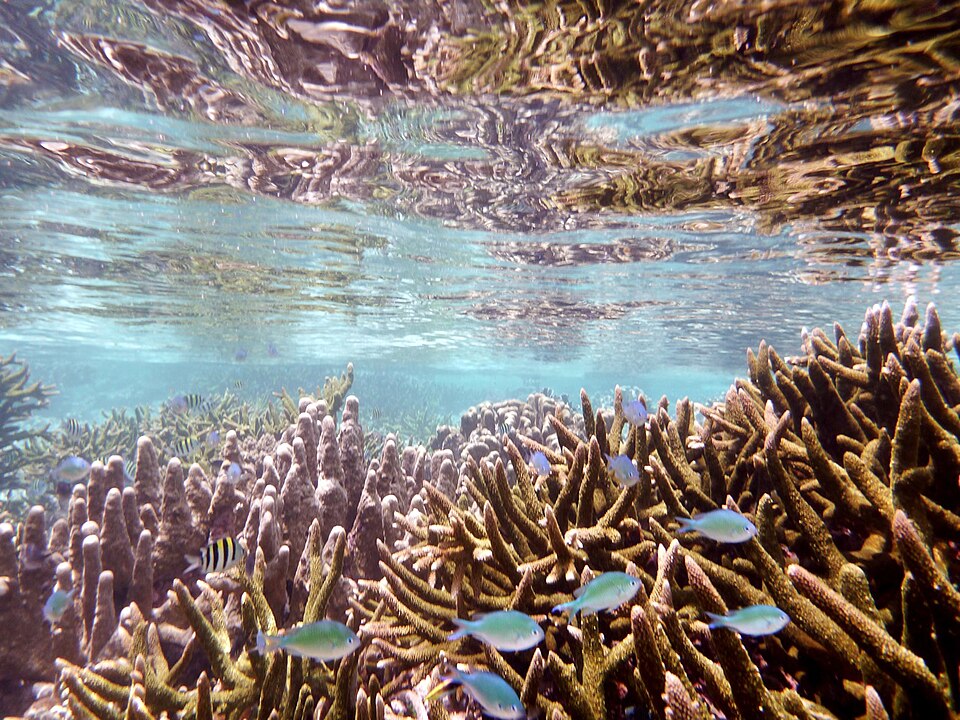
Timor-Leste’s shallow reefs and much deeper habitats are appearing together in a new research programme. For divers who know the country through reef photographs, the interesting part is how different observations will be connected. A survey photograph, a collected specimen and a DNA record each answer a different question.
What the programme actually describes
The Ocean Census mission page, published October 20, describes an OceanX-led partnership with Timor-Leste’s government, its national university and the National University of Singapore. The planned work covers northern and northeastern waters and Jaco Island. It combines crewed submersibles, a remotely operated vehicle, shallow-reef divers and onboard laboratory work, including genetic analysis.
The detailed page lists a first leg scheduled for October 22–November 11 and a second for December 4–13, 2026. The organisation’s homepage displays different starting dates and a different December end date. Readers should confirm the programme’s current schedule with the organisers. These published schedules do not independently confirm departure, completed sampling stations or a discovery already made.
A collection of tools, rather than one camera
OceanX’s own science overview explains the roles of dive teams, imaging, mapping and onboard laboratories. It describes environmental DNA work using water and sediment samples, alongside research on reefs and deeper environments. That helps explain why an expedition can produce several kinds of evidence from a region without those records being interchangeable.
A photograph can preserve an animal’s visible form and its surroundings. A specimen can support examination of features that are not resolved in a wide view. A sequence record adds another form of comparison. The useful reader question is which of these records supports a particular claim, rather than whether the expedition has an impressive list of equipment.
Follow the evidence as it becomes available
When later updates appear, distinguish a possible unfamiliar organism from a formally described new species. Ask whether a report provides an observation, a sample under study or a published analysis. A mission objective is not yet an outcome, and a vehicle’s capability is not a statement that every planned depth or station has been reached.
Similarly, a research ship operating near a destination is not offering recreational passage or expanding public access to a reef. Nothing in these sources is a TRIMIX tour offer, an equipment test or confirmation that readers can join this expedition. Local visitor arrangements need their own current information.
Our explanation of marine DNA records looks at a related issue: a detection is a piece of evidence with context, rather than a guaranteed wildlife encounter. The Timor-Leste plan is worth following for that combination of field observations and later analysis. Programme and technical pages were checked October 26; published itinerary differences remain unresolved.
Join the discussion
Share a question or a useful experience about this article. Every comment is reviewed before it appears.