
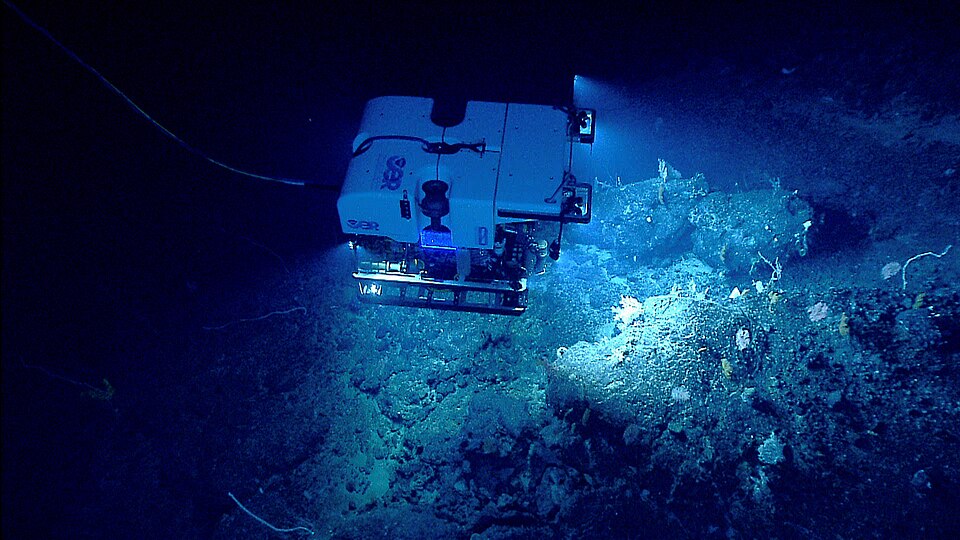
Underwater artificial intelligence is attracting attention beyond the equipment shop. Researchers are exploring how digital tools can document submerged heritage, interpret sensor data, and improve collaboration between people and underwater robots.
For divers and snorkelers following these developments, the useful question is specific: what has actually been demonstrated, and what would a finished product offer its owner?
A recent research development
In an announcement published on October 1, 2026, the University of Southampton described a workshop bringing together UK and Greek researchers and heritage professionals in Athens. Participants discussed artificial intelligence alongside remote sensing, geospatial technologies, geophysics, and underwater surveying. Their focus was documenting, monitoring, and managing coastal and underwater cultural heritage facing environmental pressures. A reported outcome was a shared commitment to establish a long-term research network, with opportunities for joint projects and digital tools. The announcement does not disclose the workshop’s actual date or announce a consumer device. Read Southampton’s official report.
Why the development stage matters
An April 14, 2026 MIT report described research into collaboration between divers and autonomous underwater vehicles. Researchers were developing navigation and perception hardware and algorithms. A proposed capability involved a classifier processing camera and sonar data, then requesting human input when uncertain about an object. That feedback loop was still under development: divers in the reported prototype tests lacked an interface for sending feedback to the vehicle. The report also discussed limited underwater communication bandwidth and described field testing. These details help explain both the intended capability and the work remaining. Read MIT’s research report.
Five questions to ask about smart equipment
Our editorial recommendation is to turn an impressive headline into a short evidence checklist before buying.
- What does the feature actually do? Ask for a concrete task: organizing photographs, identifying an object, displaying information, or controlling a device. “AI-powered” alone does not explain the benefit.
- What is available today? Look for an exact product model, current manual, shipping status, and supported software version. Check whether a demonstration represents the product being offered.
- Where was it tested? Ask whether evidence comes from a simulation, controlled setting, or field trial. Check whether the reported conditions resemble your intended activity.
- What else does it require? Confirm compatible hardware, phone requirements, connectivity, subscriptions, and separately purchased components. Compare the complete setup.
- How does it communicate uncertainty? For identification or analysis features, ask how you can review the result, correct a mistake, and access the original information.
Connect the claim to your needs
These reports offer reasons to follow underwater AI closely. For an equipment purchase, connect each claimed feature to a task you actually need, then request evidence for the exact model offered. Keep the manual, compatibility details, and support arrangements alongside the headline.
Ask TRIMIX about the specifications of a currently listed product. Include its name and the detail you want to confirm.
Source publication dates: Southampton, October 1, 2026; MIT, April 14, 2026. Sources checked October 22, 2026. This article is based on published research reports and does not include firsthand product testing.
Watch the official video
Video: MIT Lincoln Laboratory. Official research demonstration linked by MIT News (April 14, 2026). It does not show a TRIMIX product. Official source · Watch on YouTube
Loading a video connects to YouTube. Videos do not load or play automatically.
Join the discussion
Share a question or a useful experience about this article. Every comment is reviewed before it appears.