
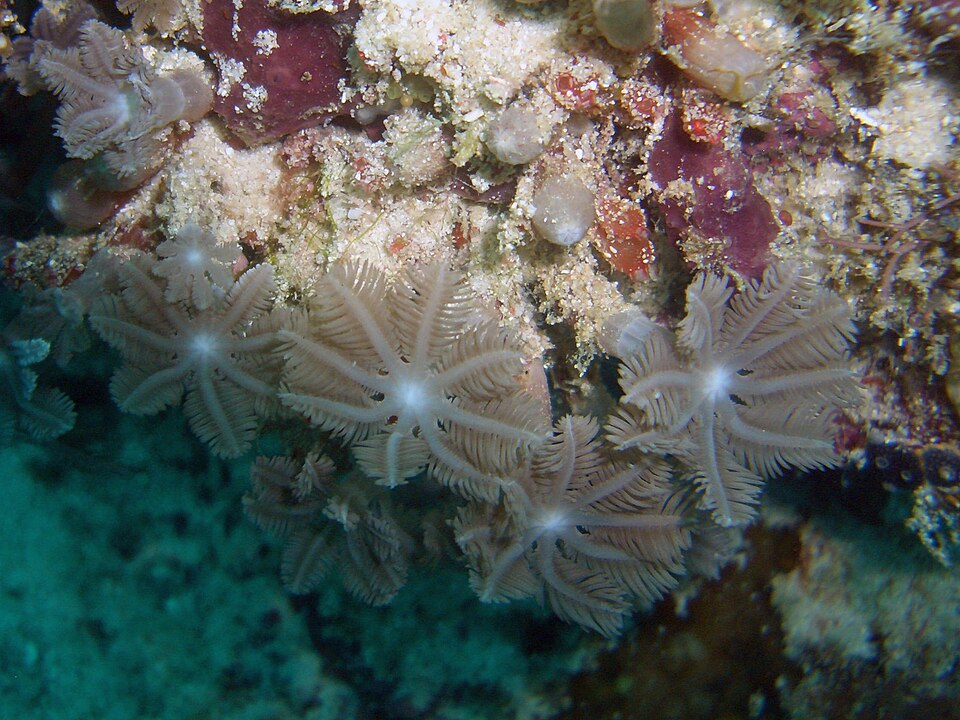
Sipadan is famous for large marine animals and dramatic reefs. A newly described animal points toward a much smaller part of its biodiversity. The October 20 publication of Sipadanomolgus dissimilis concerns a tiny crustacean from Turtle Tomb, not a new attraction for visitors to seek inside the cave.
Collection and publication happened years apart
The original European Journal of Taxonomy paper describes a male copepod collected during sampling on August 3, 2023. Its examination supports both a new species and a new genus within the family Rhynchomolgidae. The authors compared detailed anatomical features, including mouthparts, antenna-related structures and swimming legs, to distinguish it from known genera.
The paper identifies the female as unknown and records the type material in a university museum collection. These details show the boundary of the description: it is a taxonomic result grounded in a particular specimen and documented comparisons, not a count of the population or proof that a visitor will encounter the animal.
Why a new genus is more than an unusual photograph
A striking image can prompt a question about identity. A published taxonomic account must give other researchers something more precise to examine. In this case, the name is tied to physical characteristics and a retained reference specimen. That makes the claim more specific than describing an unfamiliar animal as simply looking new.
For readers, the useful distinction is between recognition and verification. A small animal might pass unnoticed in a broad reef scene, while a detailed examination reveals meaningful differences. Conversely, an attractive close-up is not automatically enough to establish a species name. The discovery invites closer attention to evidence without requiring visitors to collect animals themselves.
A cave paper does not authorise a cave visit
Sabah Parks’ official activity guide specifically separates site descriptions from dive plans and states that cavern or overhead environments require specialist training and equipment. The park’s booking guidance also places permit decisions and availability with Sabah Parks. Neither a scientific publication nor a travel photograph resolves those access questions.
Ask the park or an authorised operator about the actual activity being proposed. Do not assume a general Sipadan reservation covers every environment named in a research paper. This article does not describe a cave route, collection procedure or qualification pathway.
There are useful observations to make on ordinary recreational outings, too. Our reef survey explainer discusses recording sightings within an organised method. Here the scientific result rests on specialist examination of an older sample. The sample date is August 3, 2023; the description was published October 20, 2026. The original paper and current park guidance were checked October 26.
Join the discussion
Share a question or a useful experience about this article. Every comment is reviewed before it appears.